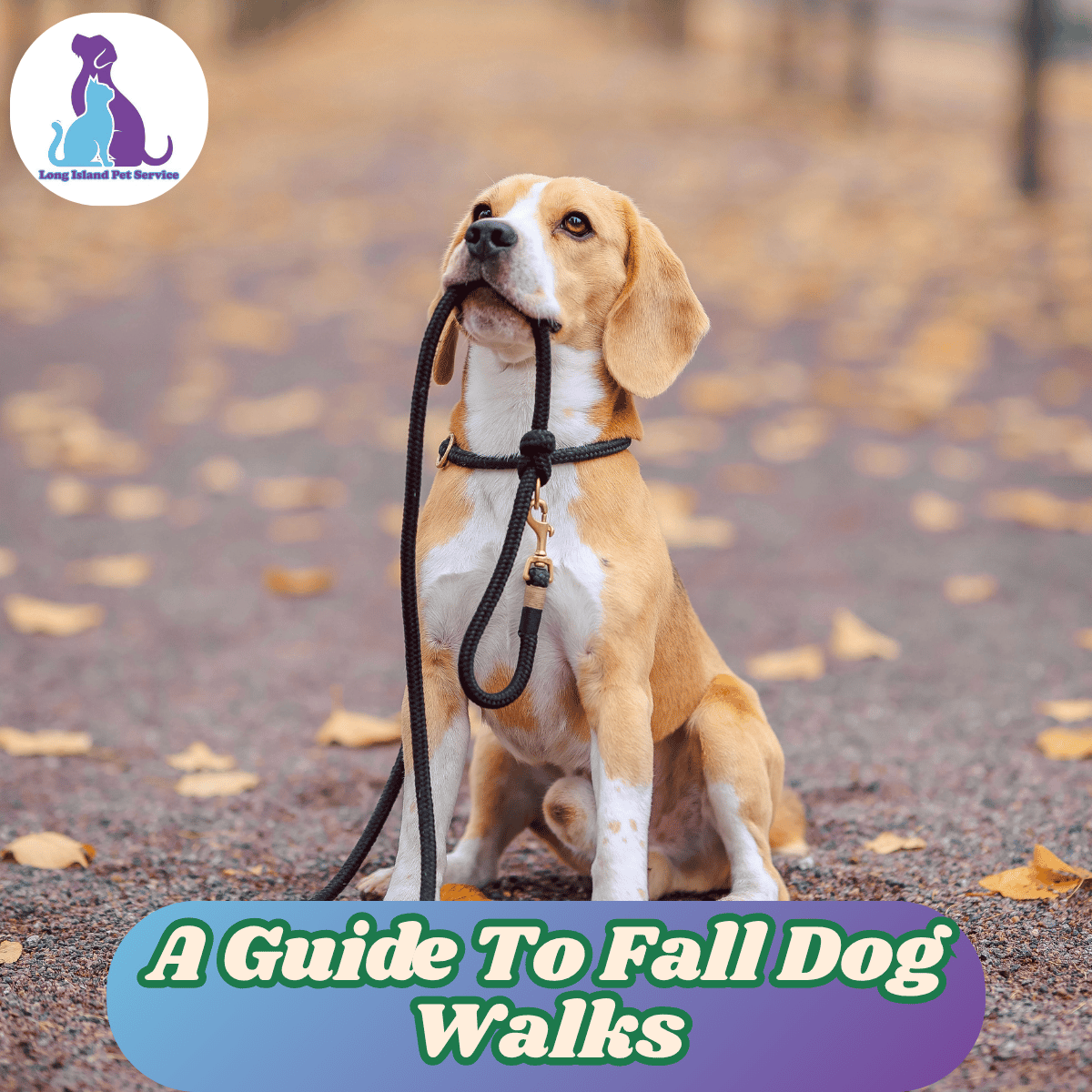
Prepare your dog for safer Fall walks on Long Island with tips for cooler weather, darker days, paw care, tick prevention, hydration, and visibility
Fall is one of the best seasons for dog walks on Long Island. The air feels fresher, summer humidity begins to ease, and many dogs have a little more energy when the temperature drops. But cooler weather also brings shorter days, wet leaves, changing temperatures, ticks, and eventually salt-treated sidewalks.
A successful Fall dog-walking routine is not about bundling every dog into a sweater at the first sign of a breeze. It’s about paying close attention to your dog (their coat, age, health, activity level, and comfort cues) while planning for the season ahead. At Long Island Pet Services, we help dogs stay active, safe, and comfortable through every change in the weather. So, here are eight tips to prepare your dog for fall walks and make the most of the season.
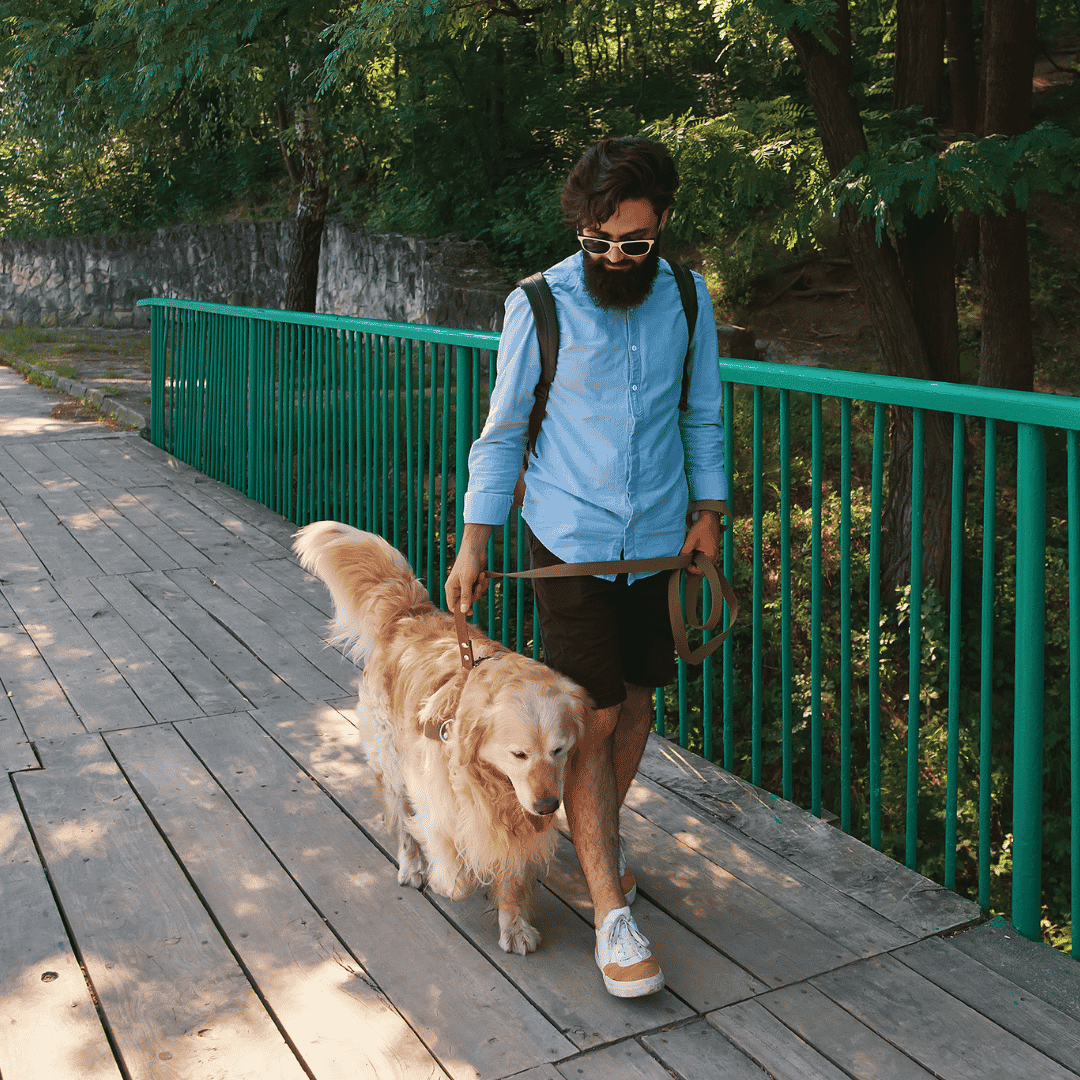
Adjust Walk Times as Days Get Shorter
1. Adjust Walk Times as Days Get Shorter
One of the first changes pet parents notice in fall is how quickly daylight disappears. Early-morning and evening dog walks can become darker before you realize it, especially once work, school, and after-school schedules get busy. Visibility matters for everyone’s safety. So, when walking near roads, driveways, bike paths, or intersections, make it easier for drivers, cyclists, and neighbors to see you and your dog.
Helpful visibility gear includes:
-
A reflective collar, leash, harness, or vest
-
An LED collar light or clip-on safety light
-
A reflective jacket for the person walking the dog
-
A flashlight or headlamp for darker routes
-
A shorter leash for better control near traffic
Choose well-lit routes whenever possible, and keep your dog close to you around roads. Avoid relying on retractable leashes after dark, when it can be harder to spot obstacles, approaching people, wildlife, or other dogs. For families with packed schedules, dependable professional dog walking can help ensure that a dog still gets exercise and a potty break during daylight hours.
For more information about the best reflective dog walking gear, click here.
2. Pay Attention to Your Dog’s Comfort, Not Just the Thermometer
There is no single temperature that works for every dog. A thick-coated, healthy adult dog may enjoy a brisk fall morning. Meanwhile, a small dog, short-haired breed, puppy, senior dog, or dog with arthritis may become uncomfortable much sooner. As temperatures fall, watch your dog instead of assuming they are fine because they usually enjoy walks.
Signs that a dog may be cold, tired, or uncomfortable include:
-
Shivering or trembling
-
Lifting paws repeatedly
-
Slowing down or refusing to continue
-
Whining, pulling toward home, or seeking shelter
-
Hunching their body or tucking their tail
-
Limping or stiffness, especially in older dogs
Dogs with short coats, low body fat, mobility concerns, or medical conditions may benefit from a properly fitted coat when the weather is chilly or wet. If your dog is dry, moving comfortably, and eager to continue, extra layers may not be necessary. Most veterinarians recommend extra caution for vulnerable dogs as temperatures approach freezing. Additionally, the AVMA advises checking paws regularly for cracked or bleeding pads in cold-weather conditions.
Bring Rain-Ready Supplies
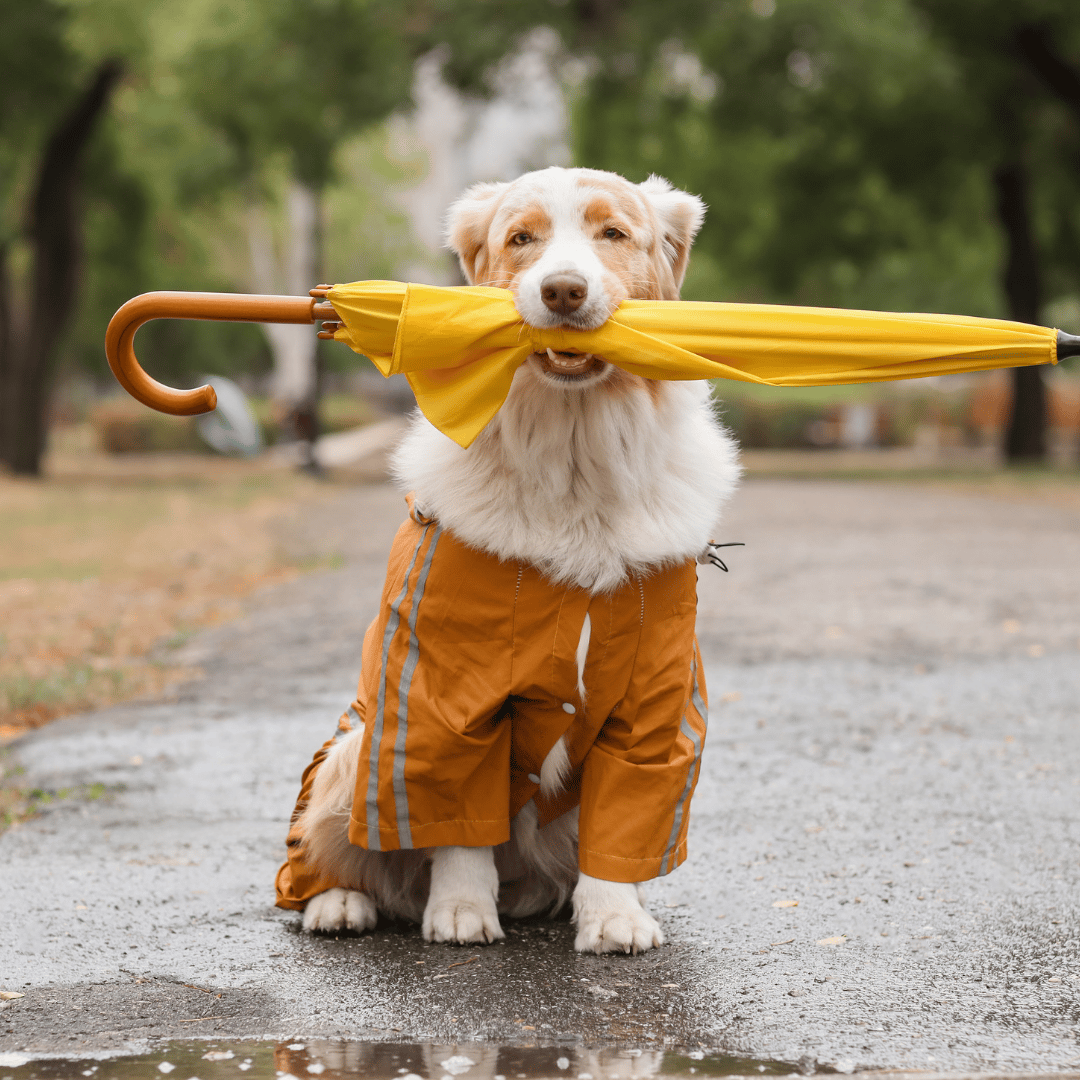
3. Bring Rain-Ready Supplies
Long Island Fall weather can shift quickly from clear and comfortable to damp, windy, and rainy. But, a little preparation keeps wet-weather walks from becoming unpleasant and helps prevent your dog from staying cold and damp afterward.
Keep a simple fall dog-walking kit near the door with:
-
A towel for drying paws, legs, and belly
-
Waste bags
-
A small flashlight or light-up leash accessory
-
A collapsible water bowl and fresh water
-
A lightweight dog raincoat, if your dog tolerates one
-
A spare leash or harness, especially if wet gear becomes uncomfortable
After a rainy walk, dry your dog thoroughly rather than letting them remain damp indoors. Check between the toes, under the belly, and around the ears. Damp fur and wet paws can make a dog uncomfortable, and mud or debris can hide small cuts, irritated skin, or a tick that needs to be removed. If heavy rain, high winds, flooding, or unsafe road conditions are expected, choose a shorter potty break and add indoor enrichment later. A few minutes of scent games, training, puzzle toys, or supervised play can help your dog use energy when a normal outdoor walk is not practical.
4. Keep Flea and Tick Prevention Consistent
Fall is not the time to stop flea and tick prevention. Many pet parents assume ticks disappear as soon as cooler weather arrives. However, ticks can remain active during fall and may be active whenever conditions are warm enough. Adult blacklegged ticks are often particularly active in spring and fall. Long Island dogs can encounter ticks in yards, leaf piles, grass, wooded edges, brushy areas, and along trails. After walks, especially near wooded or grassy areas, check your dog from nose to tail.
Focus on places ticks like to hide:
-
Under and around the collar
-
In and behind the ears
-
Around the eyelids
-
Under the front legs
-
Between the toes
-
Along the belly, groin, and tail area
The FDA recommends checking dogs daily for ticks after outdoor time and keeping veterinarian-recommended tick prevention current year-round. Speak with your veterinarian about the safest prevention plan for your dog’s health, age, lifestyle, and local exposure risk. A quick tick check after each walk takes only a few minutes and can become part of your regular fall routine; right alongside wiping paws and refilling the water bowl.
Protect Paws From Wet Leaves, Debris, and Early Salt
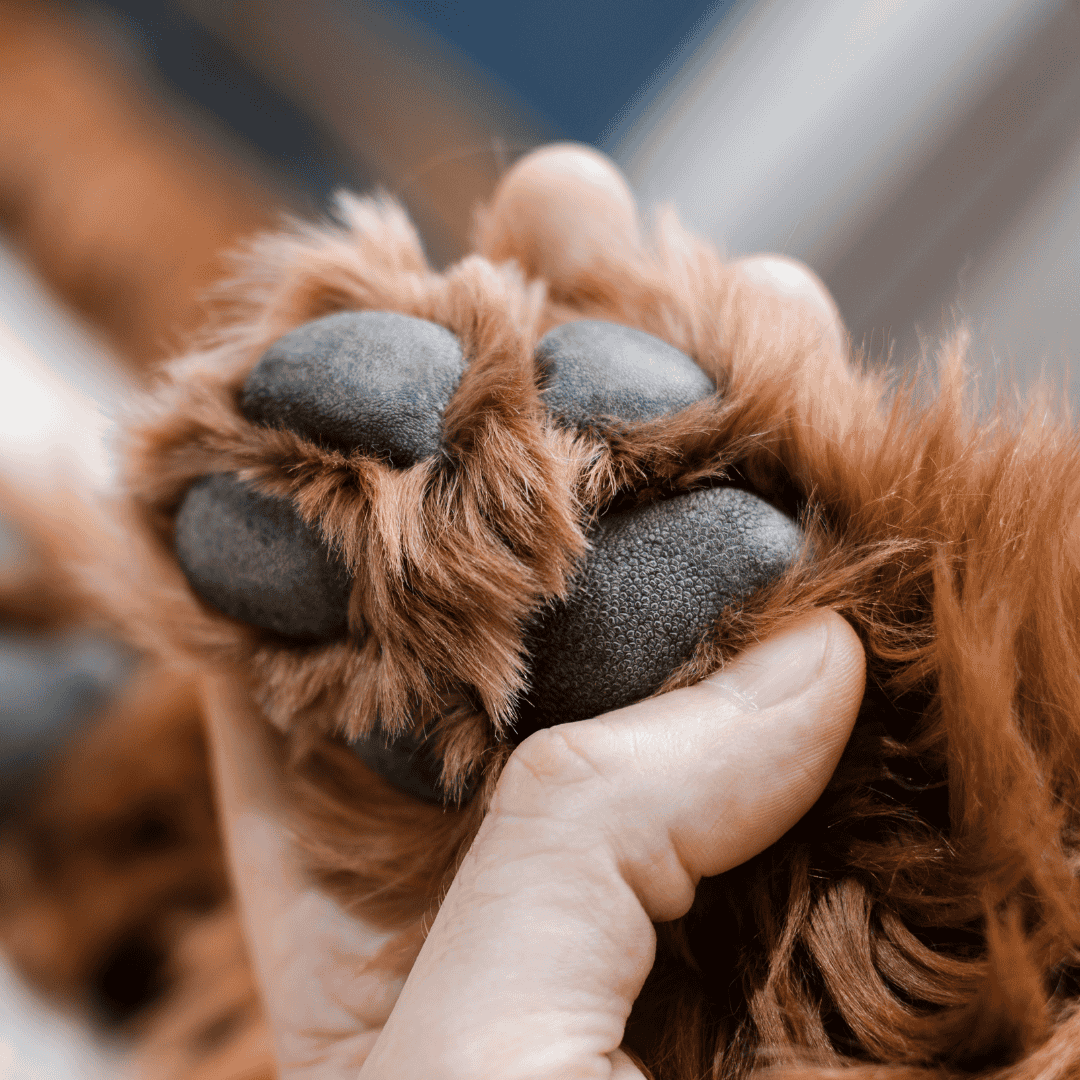
5. Protect Paws From Wet Leaves, Debris, and Early Salt
Colorful leaves may look beautiful, but wet leaves can be slippery and can hide broken branches, sharp objects, puddles, and uneven pavement. So, keep an eye on where your dog is walking, particularly on unfamiliar paths, wooded trails, or sidewalks covered in leaves. As fall progresses, some properties and sidewalks may begin to use de-icing products during cold snaps. Salt, ice-melt chemicals, and slush can irritate paw pads and may cause stomach upset if a dog licks them off after a walk.
Build a paw-care routine now:
1.) Check paws after every walk for debris, redness, cuts, or tenderness.
2.) Wipe or rinse paws, legs, and belly after walks in wet, muddy, or treated areas.
3.) Dry carefully between the toes.
4.) Ask your veterinarian whether a paw balm, booties, or other protective option is appropriate for your dog.
5.) Contact your veterinarian if you notice limping, cracked pads, bleeding, persistent licking, or swelling.
The ASPCA advises washing and drying a dog’s feet and stomach after winter walks to remove ice, salt, and chemicals. Additionally, the University of Wisconsin Veterinary Care similarly advises rinsing and drying paws after exposure to road or sidewalk salt. Starting the habit in fall makes the transition into winter much easier.
6. Update Identification and Emergency Details
Fall brings busy schedules, weekend trips, holiday planning, and more time walking in low-light conditions. That makes proper identification especially important. So, check that your dog’s collar tag is secure, readable, and current. If you recently moved, changed phone numbers, or adopted a pet, update the information connected to your dog’s microchip as well. A microchip is most useful when the registration details are accurate.
Before fall travel or a pet-sitting visit, make sure your dog’s care instructions are current. Long Island Pet Services recommends keeping the following information readily available:
-
Your veterinarian’s name, address, and phone number
-
The nearest emergency veterinary hospital
-
Current medications, doses, and administration instructions
-
Food allergies, medical conditions, and behavior notes
-
Your pet’s microchip number
-
At least one local emergency contact authorized to make decisions
-
Your preferred emergency-care instructions
A clear emergency contact list helps your pet sitter or dog walker respond promptly if there is an unexpected concern during a visit.
Keep Water in Your Walking Routine
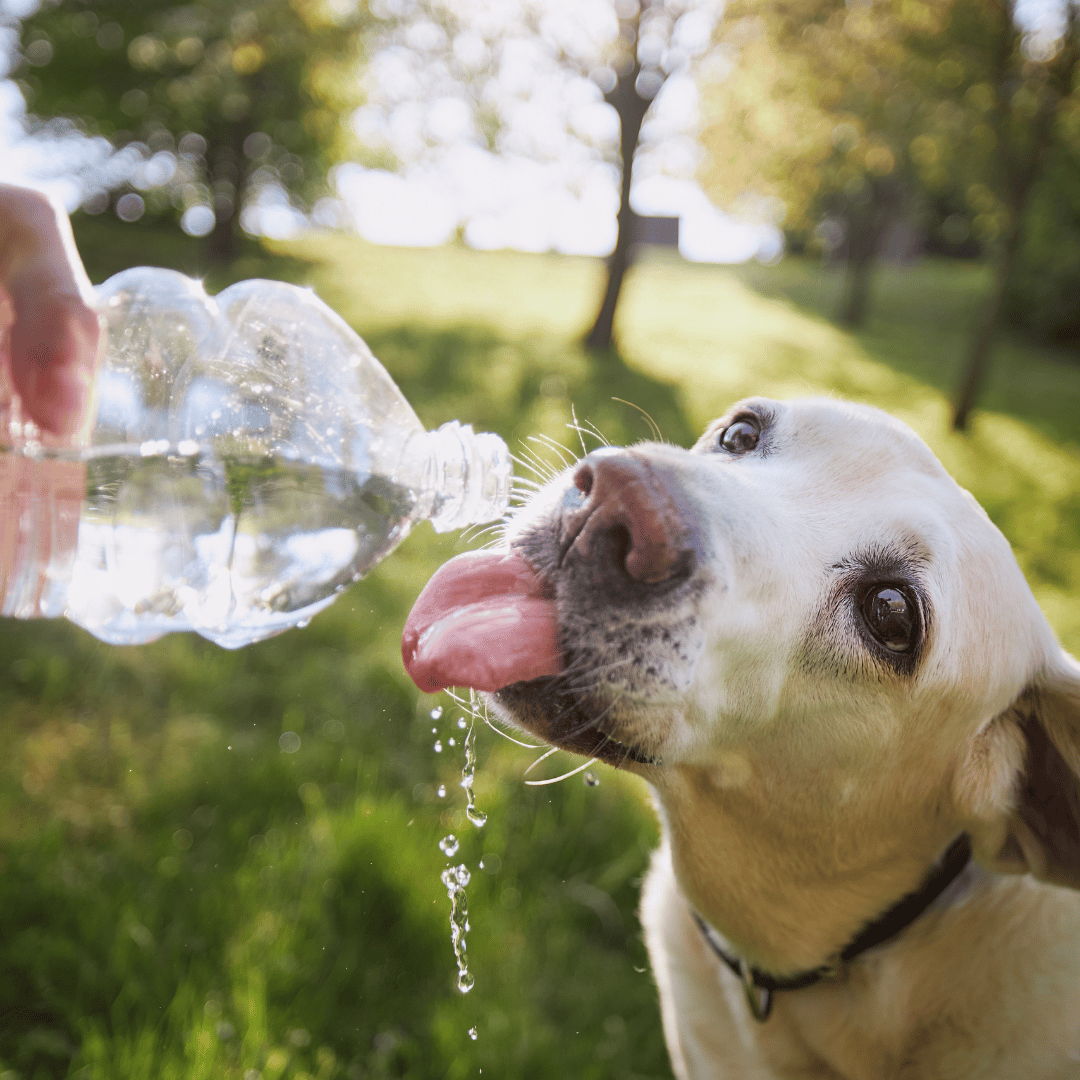
7. Keep Water in Your Walking Routine
Cooler weather can make it easy to forget about hydration, but active dogs still need access to fresh water. A long walk, an energetic game of fetch, or a sunny fall afternoon can leave a dog thirsty, even when the air feels cool. So, bring water for longer outings, especially if your dog is exercising vigorously or walking in direct sun. Offer small water breaks instead of encouraging your dog to gulp a large amount all at once after intense activity.
At home, refresh water bowls daily and make sure your dog has water available before you leave. If a dog walker visits during the day, let them know where supplies are kept and whether your dog has any drinking preferences or health-related instructions. Changes in drinking can sometimes be meaningful. If your dog suddenly drinks much more or less than normal, check in with your veterinarian.
8. Make Fall Walks Fun, Not Just Functional
Dog walks are about more than bathroom breaks. Fall gives dogs a new world to explore: fresh scents, rustling leaves, cooler air, and changes in their familiar neighborhood. Slow down when it is safe to do so and let your dog sniff. Sniffing is mentally enriching. A relaxed “sniff walk” can help a dog use energy in a different way than a fast-paced exercise walk. Alternate between purposeful movement and safe opportunities to investigate the environment.
You can also add simple variety to your dog’s routine:
-
Take a different neighborhood route once in a while.
-
Add a few minutes of basic training during the walk.
-
Use a cue such as “find it” and scatter a few treats in a safe grassy area, if appropriate for your dog.
-
Schedule regular dog-walking visits to create consistency on workdays.
-
Pair outdoor exercise with indoor enrichment on rainy days.
For dogs that become anxious, reactive, or overstimulated on busy routes, choose quieter times and less crowded locations. A peaceful, predictable walk is often more valuable than a long, stressful one.

Make Fall Walks Part of a Healthy Routine
Make Fall Walks Part of a Healthy Routine
A little preparation goes a long way as temperatures drop. By planning for darker evenings, checking your dog’s comfort level, maintaining flea and tick prevention, caring for paws, and keeping emergency information up to date, you can help your dog enjoy safer fall walks on Long Island. Every dog has different needs. A young, active Labrador may be ready for a longer cool-weather walk, while a senior small-breed dog may need a shorter route, a warm coat, and extra time to loosen up. The best plan is one that matches your dog, not a one-size-fits-all rule.
Looking For a Reliable Pet Sitter or Dog walker This Fall?
Long Island Pet Services provides professional dog walking and in-home pet sitting designed around your pet’s individual routine. Whether your dog needs a midday walk while you are at work, a reliable visitor during a busy fall day, or personalized care while you travel, we are here to help. Ready to get started? Click here to become a client today or give us a call at 516-247-6976. Stay connected and see what we’re up to by following us on Facebook, Instagram, and X.