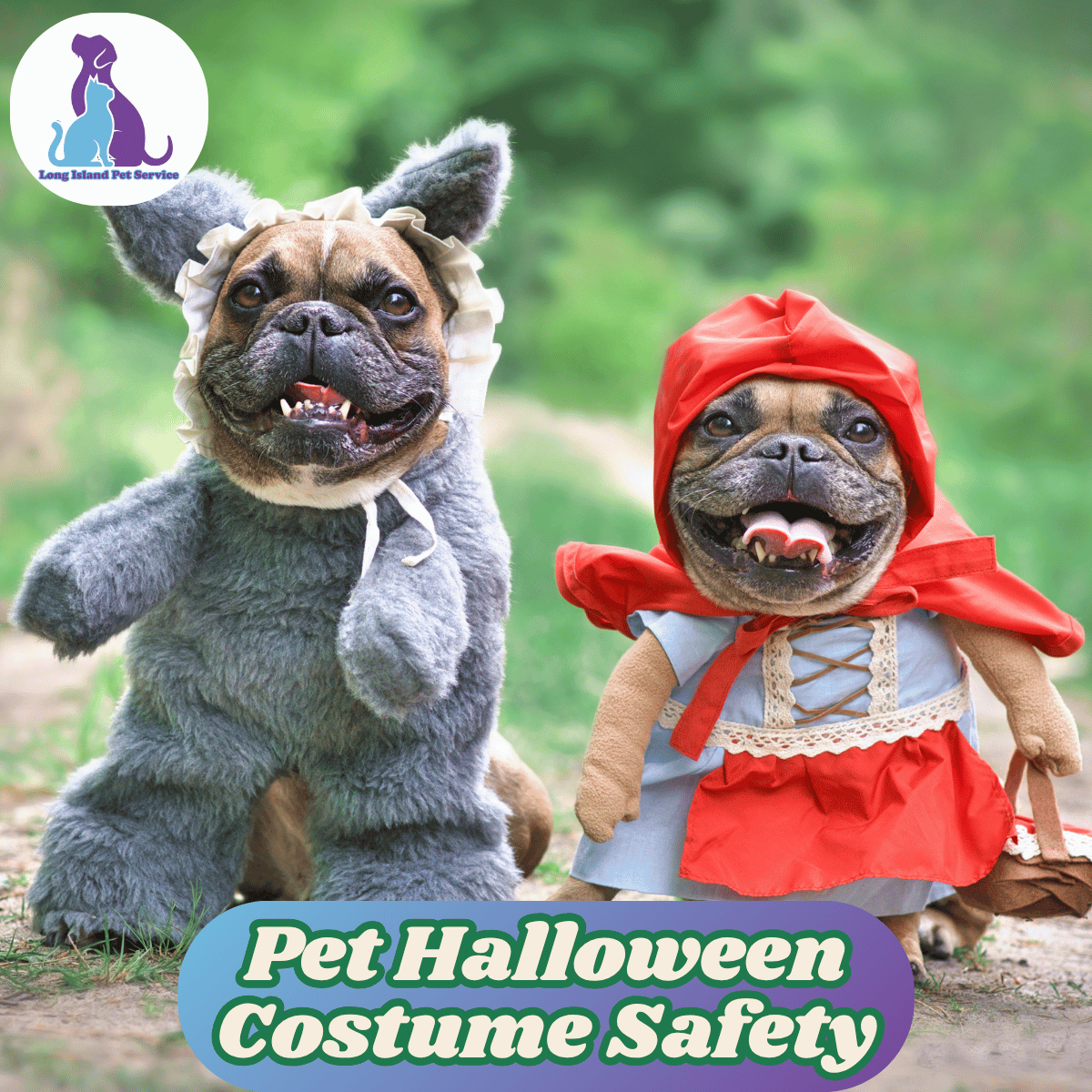
Keep dogs and cats safe this Halloween with pet costume tips on fit, stress signs, choking hazards, and simple alternatives
A pet costume can make for an adorable Halloween photo, but not every dog or cat enjoys dressing up. The best costume is one your pet can wear safely and comfortably, or no costume at all if they seem stressed.
At Long Island Pet Services, we believe Halloween pet safety should always come before the photo opportunity. Whether your dog is joining the family for trick-or-treating or your cat is posing for a quick seasonal picture at home, watch their body language closely and choose comfort over a complicated outfit. Veterinary and animal-welfare guidance consistently recommends costumes that do not restrict a pet’s movement, sight, hearing, or breathing, and that do not contain loose pieces they could chew or swallow.
Know the Signs of Costume Stress
Know the Signs of Costume Stress
Pets cannot tell us, “This is too tight,” “I cannot see,” or “I want this off.” Instead, they communicate discomfort through their behavior and body language.
A dog or cat may not be comfortable in a costume if you notice:
-
Ears pinned back or held unusually low.
-
A tucked tail, crouched posture, or attempts to hide.
-
Freezing in place, refusing to walk, or moving stiffly.
-
Repeated pawing, scratching, biting, or shaking at the costume.
-
Excessive panting, drooling, whining, barking, growling, or vocalizing.
-
Trying to rub the costume against furniture or roll on the floor.
-
Running away when the costume comes out.
-
A sudden change in normal behavior, including irritability or fearfulness.
For cats, hiding, flattening the ears, crouching low, swishing the tail sharply, or refusing to move can be especially clear signals that the outfit is too much. For dogs, panting when they are not warm or active, pulling away, pacing, or repeatedly trying to remove the costume may mean it is time to take it off. A gradual “costume rehearsal” before Halloween can help you see how your pet reacts in a calm setting rather than discovering their discomfort during a busy evening.news.
If your pet looks unhappy, do not force the issue. Take the costume off calmly and give them a treat, praise, or a favorite activity. Halloween should not become something your pet learns to fear.
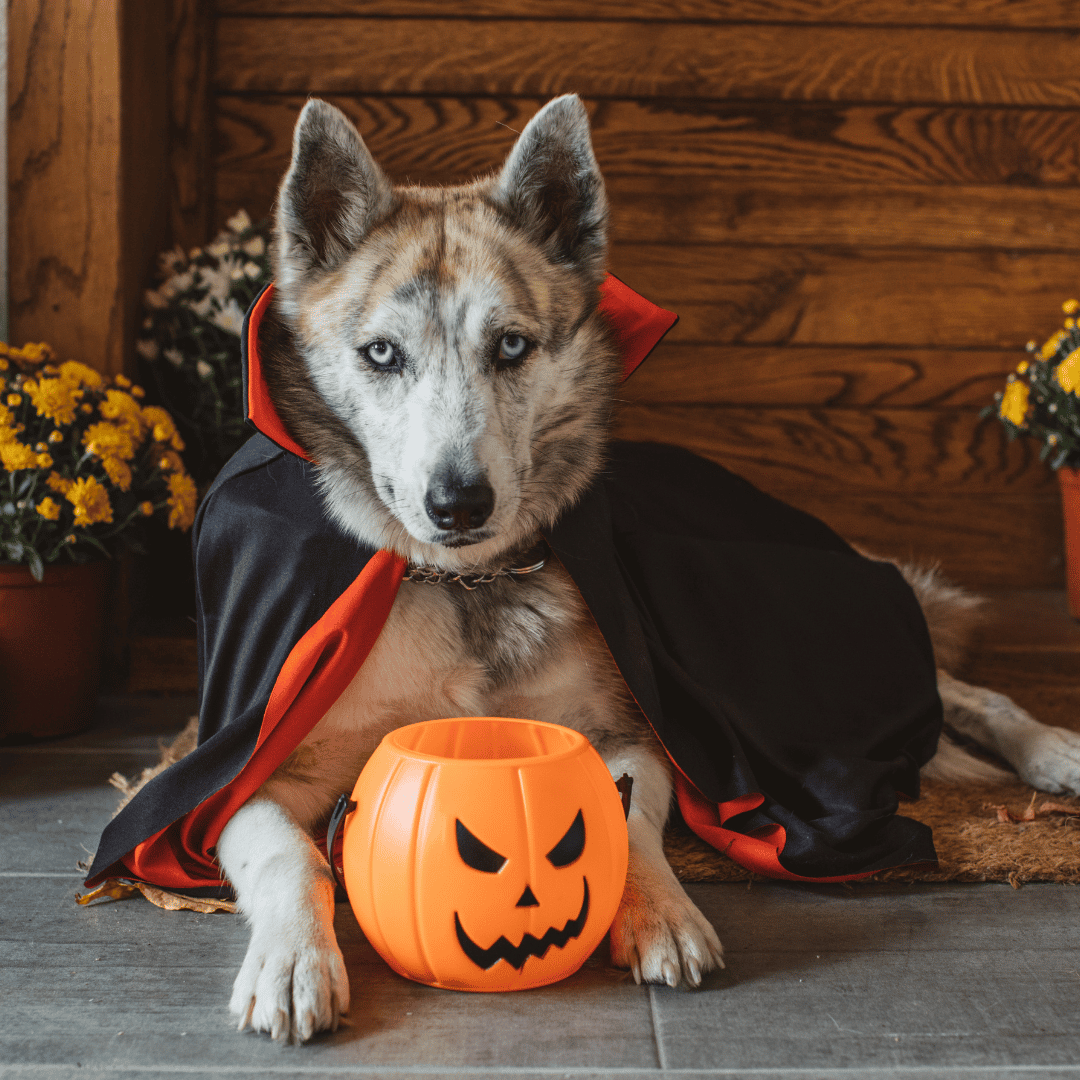
Check the Fit Before Halloween
Check the Fit Before Halloween
A costume should fit securely enough that it will not twist, drag, or slip over your pet’s eyes. However, it should never squeeze their chest, neck, legs, belly, or joints.
Before your dog or cat wears a costume, check that they can:
-
Walk normally without taking short, stiff steps.
-
Sit, lie down, turn around, stretch, and use the litter box or go potty comfortably.
-
Move their front and back legs without fabric pulling at the shoulders, armpits, hips, or tail.
-
Wear their usual collar or harness safely if they need to go outside.
-
Remain comfortably cool without overheating.
Avoid costumes with tight elastic, restrictive leg openings, heavy layers, stiff material, or straps that press into the neck or chest. Outfits that are too loose can create problems, too. A loose costume may catch on furniture, twist around your pet’s body, snag on branches during a walk, or slide over their face. Additionally, senior pets deserve extra consideration. Dogs and cats with arthritis, reduced mobility, vision changes, or other health concerns may find even a lightweight costume uncomfortable. A costume that limits balance or normal movement can make slips, falls, or pain more likely.
A quick rule of thumb: if you would not feel comfortable leaving the costume on your pet for a short, supervised period while they walk around normally, it is probably not the right costume.
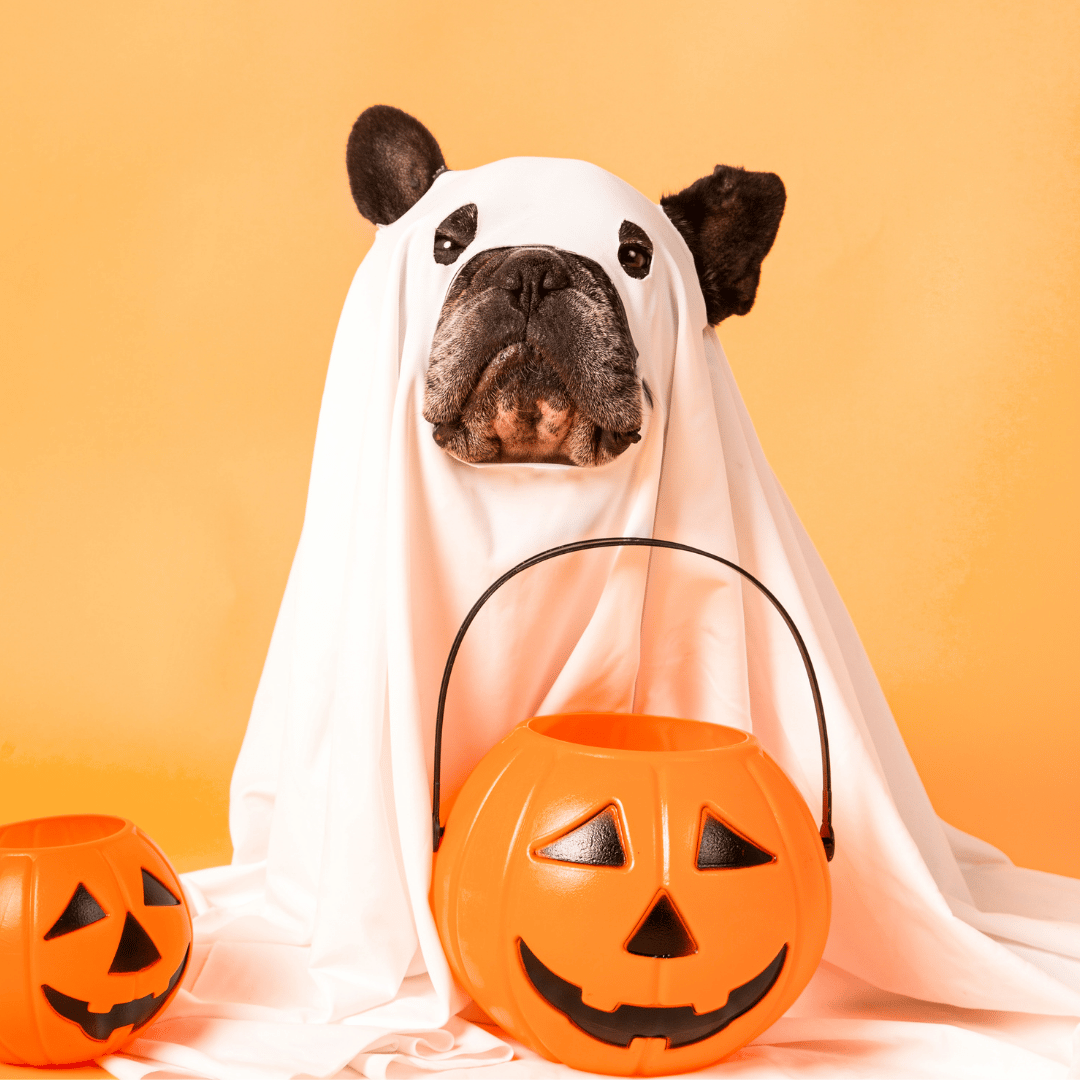
Make Sure Your Pet Can See and Breathe
Make Sure Your Pet Can See and Breathe
Headpieces, masks, hats, wigs, and hoods may look festive, but they are often the riskiest part of a pet costume. They can shift out of place quickly, block a pet’s view, muffle sounds, or interfere with normal breathing.
Before using any costume, make sure it does not:
-
Cover your pet’s nose, mouth, or face.
-
Restrict panting, barking, meowing, or normal breathing.
-
Slide into their eyes or reduce their side vision.
-
Cover their ears or make it difficult to hear what is happening around them.
-
Pull at their whiskers, especially for cats.
-
Make your pet stumble, hesitate on stairs, or bump into furniture.
Dogs rely on panting to cool themselves. So, a costume that traps heat or makes panting difficult can become dangerous quickly, especially in an excited or anxious dog. Cats may also feel particularly vulnerable if a hood, mask, or hat interferes with their hearing, vision, or whiskers. But, if you want a festive look, skip the mask entirely. A pet-safe bandanna, a lightweight bow tie, or a simple themed collar accessory is usually a safer choice than a costume that covers the head. Animal-welfare organizations specifically advise against costumes that block sight, hearing, breathing, vocalizing, or movement.
Watch Out for Chewing Hazards
A costume can become a choking or intestinal-blockage risk when it includes small, loose, dangling, or easily removed decorations. Before putting the costume on your pet, inspect it carefully.
Remove or avoid items such as:
-
Buttons, sequins, pom-poms, bells, rhinestones, and plastic gems.
-
Loose strings, ribbons, yarn, feathers, or faux fur pieces.
-
Dangling charms or decorative tags.
-
Small plastic accessories.
-
Chewable foam pieces.
-
Costume jewelry or items attached with glue.
-
Battery-powered lights or accessories.
If a dog or cat can pull off a piece with their teeth or paws, assume they may try. Swallowed costume pieces can cause choking or become lodged in the digestive tract, which may require urgent veterinary care. Costumes should also be kept away from pets when not in use, since a curious dog or cat may chew on them after the celebration is over. Additionally, never leave a costumed pet unattended, even for a few minutes. A pet can become tangled, chew an accessory, overheat, or panic while you are in another room answering the door.
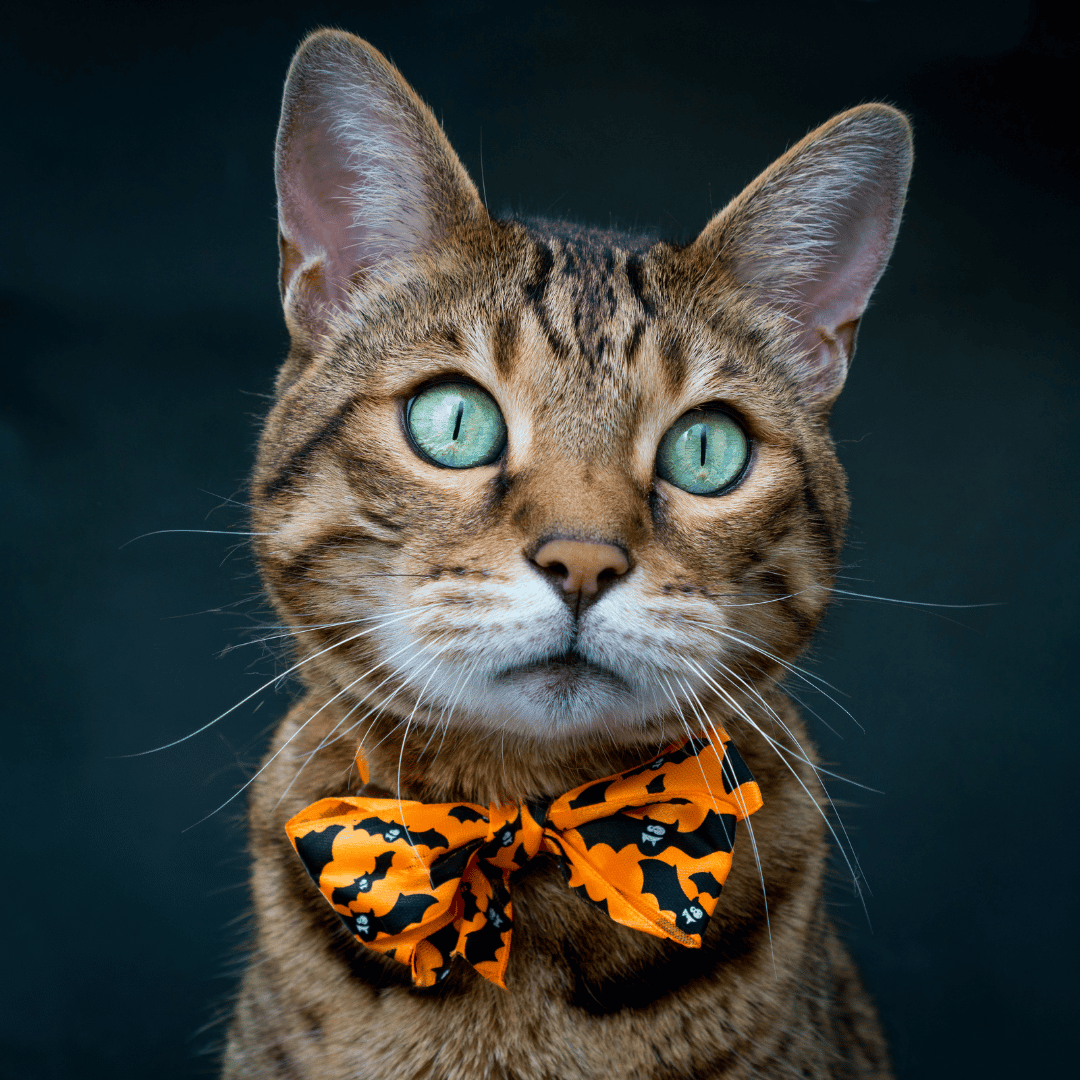
Choose a Simple Alternative
Choose a Simple Alternative
Your pet does not need a full outfit to be part of the Halloween fun. In fact, simple alternatives are often more comfortable, less stressful, and safer for dogs and cats.
Consider:
-
A Halloween-themed bandanna.
-
A lightweight bow tie attached safely to a collar.
-
A festive collar with no dangling pieces.
-
A simple pet-safe shirt, if your pet is already comfortable wearing clothing.
-
A seasonal photo backdrop with your pet wearing nothing at all.
-
A favorite orange, black, purple, or fall-colored toy for a themed photo.
-
A Halloween pet tag paired with a regular collar.
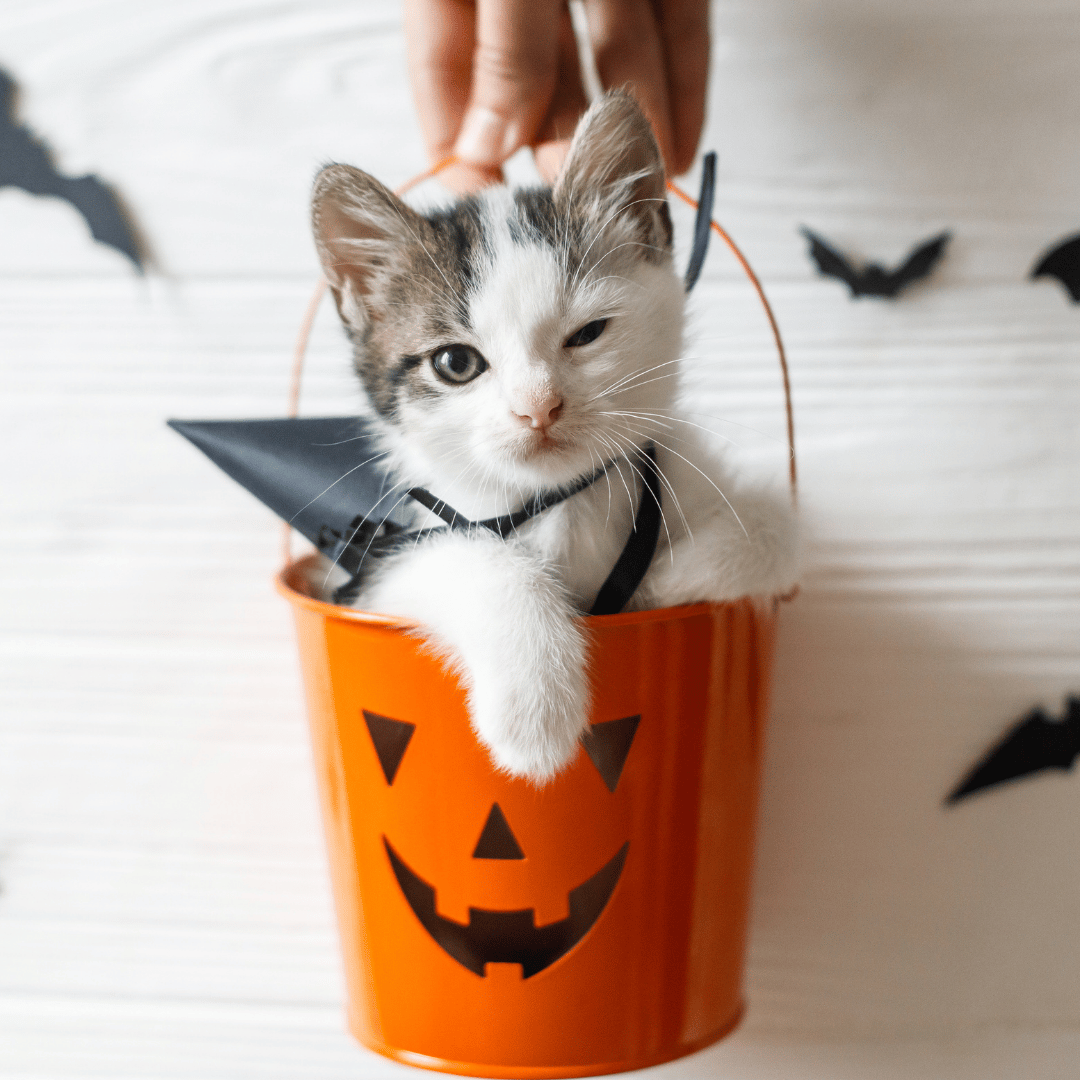
For many cats, a quick photo with a bandanna (or simply a festive blanket or backdrop) will be more than enough. For dogs that enjoy clothing, a lightweight shirt or cape without a hood may be a better option than a bulky costume with multiple pieces. The ASPCA’s advice is simple: do not put a dog or cat in a costume unless you know they enjoy it. If they appear distressed, a bandanna or their natural coat is the better choice.
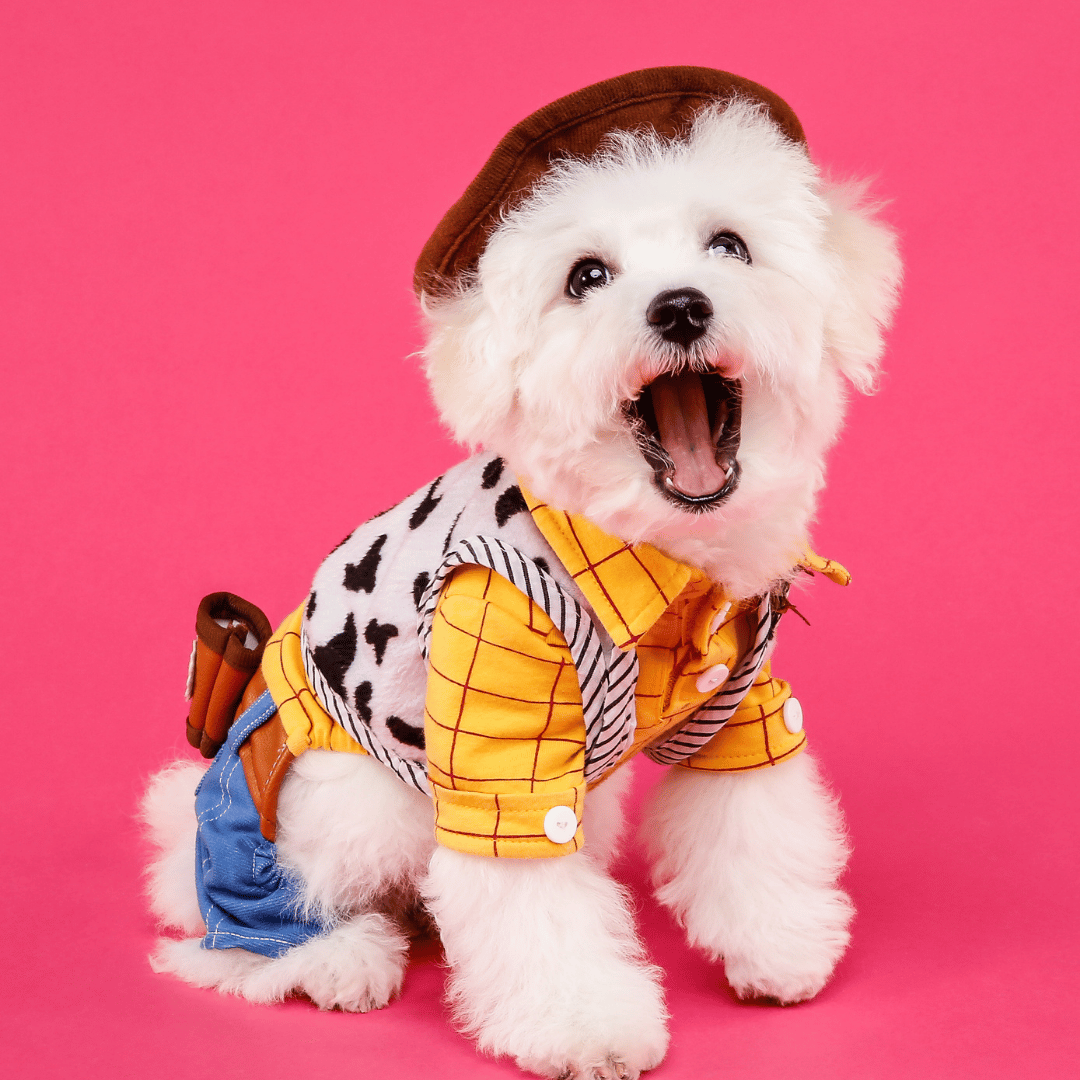
Practice Before the Big Night
Practice Before the Big Night
Do not wait until Halloween evening to try on your pet’s costume. New smells, unfamiliar fabric, visitors, doorbells, children in costumes, and increased activity can already make Halloween overwhelming for pets.
Instead, try a short costume practice session a few days in advance:
1.) Let your pet sniff the costume while it is off their body.
2.) Offer treats and calm praise to create a positive association.
3.) Put the costume on for only a minute or two.
4.) Watch closely for signs of discomfort or stress.
5.) Remove it before your pet becomes upset.
6.) Gradually increase the time only if your pet stays relaxed and comfortable.
If your pet is happy, moving normally, and not trying to remove the costume, they may tolerate it for a short, supervised photo session. If they freeze, hide, scratch, pant heavily, or become anxious, skip the costume and choose a simpler alternative.
Keep Halloween Safe at Home
Even a pet that tolerates a costume may not enjoy Halloween traffic at the front door. Therefore, keep dogs and cats indoors, make sure their ID tags and microchip information are current, and provide a quiet room away from trick-or-treaters if they are nervous around strangers or loud noises. Halloween decorations, glow sticks, batteries, candles, and human costume pieces should also stay out of reach.
At Long Island Pet Services, we know that every pet has a different comfort level. Some dogs love a quick photo in a cute bandanna. Some cats prefer to supervise Halloween from a quiet room. Some pets are happiest with no costume at all, and that is perfectly okay. The goal is not a perfect Halloween picture. The goal is a pet who feels safe, secure, and cared for.
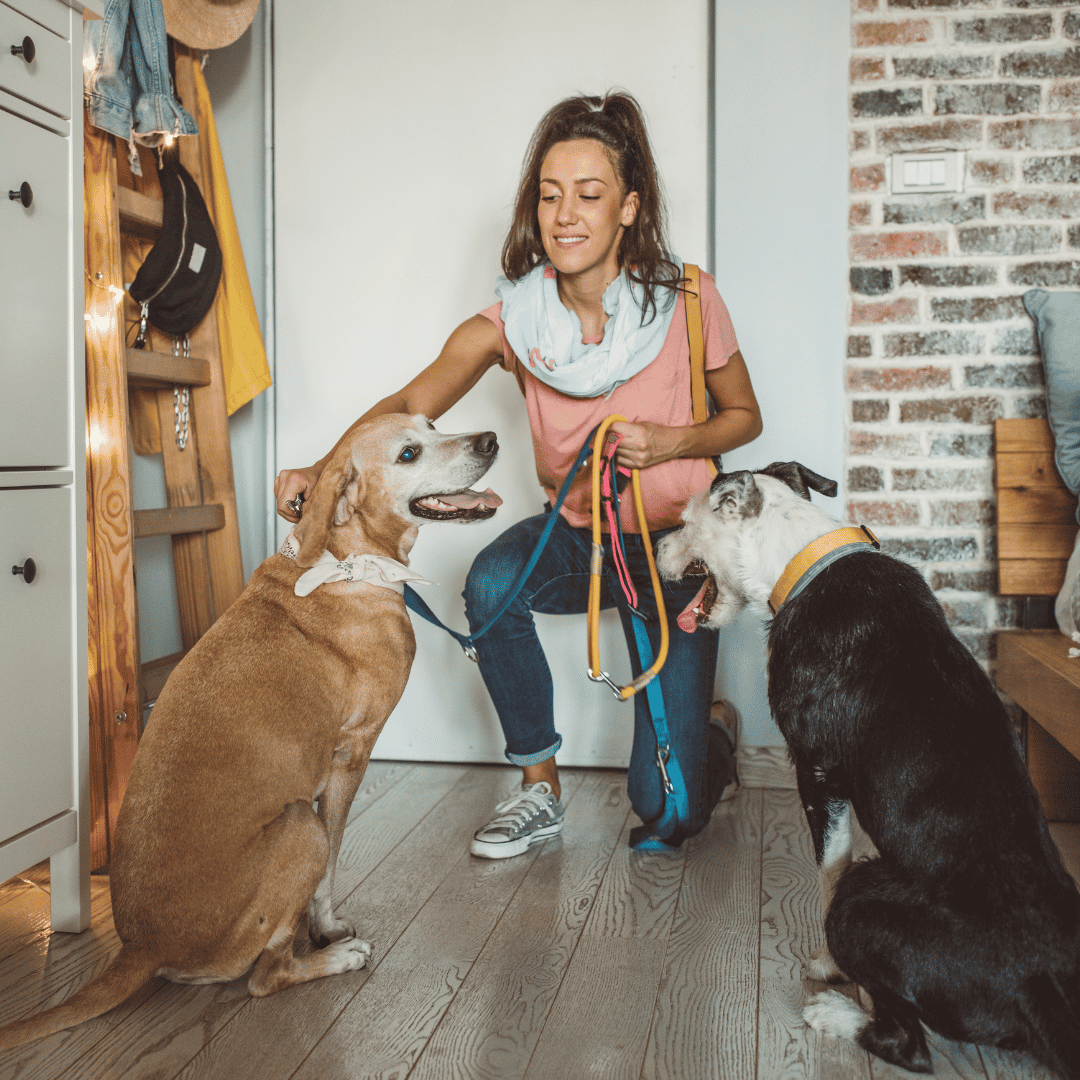
Looking For a Reliable Pet Sitter or Dog walker
Looking For a Reliable Pet Sitter or Dog walker?
Need dependable pet sitting or dog walking on Long Island during the busy fall season? Long Island Pet Services provides personalized, in-home care that keeps your pets comfortable with the routines they know and love. At Long Island Pet Services, we provide dependable, high-quality pet care tailored to your pet’s needs.
From daily dog walks and drop-in visits, to overnight stays and pet taxi services, we offer a full range of options to keep your routine running smoothly. Ready to get started? Click here to become a client today or give us a call at 516-247-6976. Stay connected and see what we’re up to by following us on Facebook, Instagram, and X.