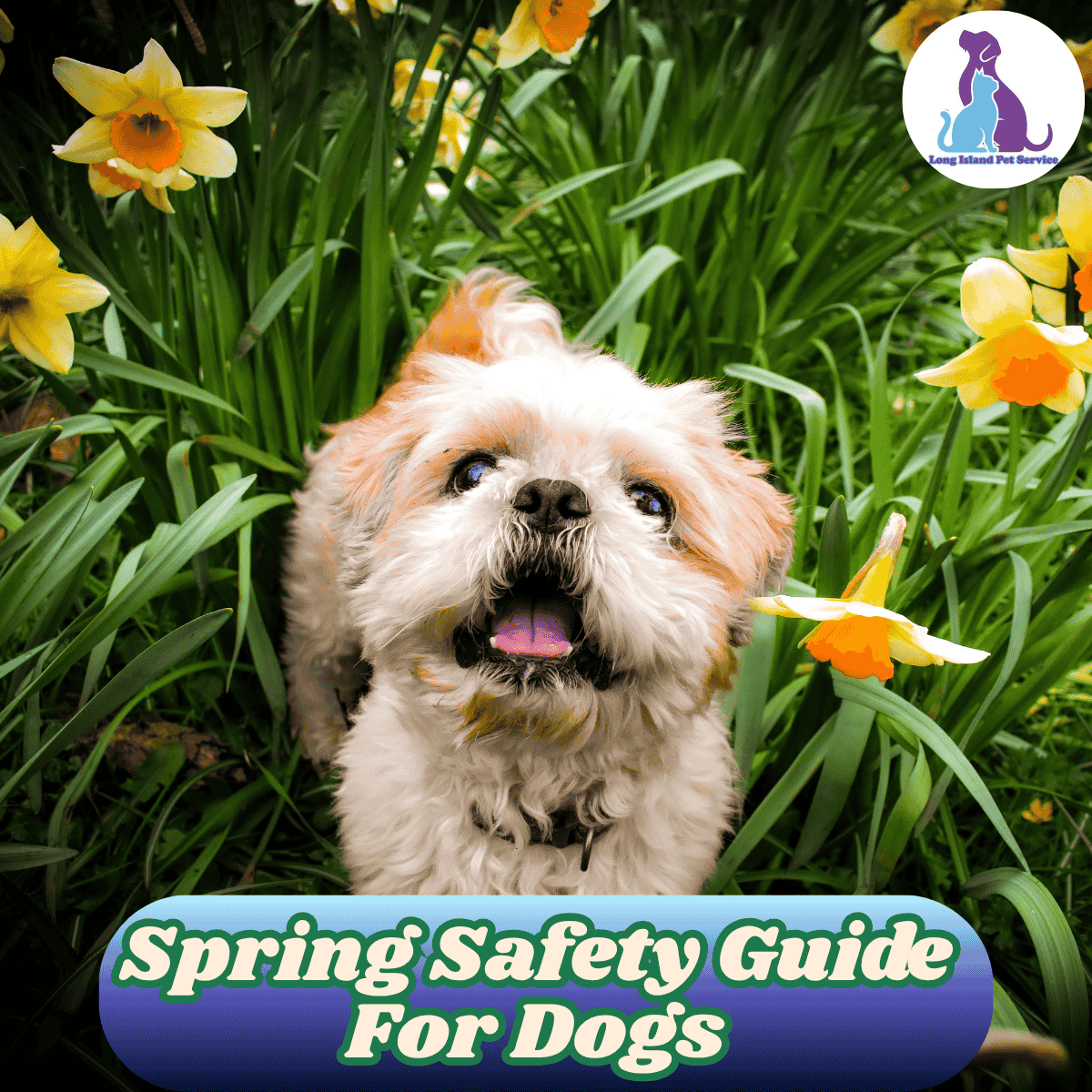
Spring on Long Island means more time outside for walks, backyard play, and dog park visits! However, it also brings a rise in ticks, fleas, and other seasonal hazards. Keeping your dog safe in Spring starts with knowing the risks and staying ahead of them with simple, consistent prevention.
Why Spring Is High‑Risk For Ticks and Fleas
Why Spring Is High‑Risk For Ticks and Fleas
As temperatures warm and Long Island lawns turn green, ticks and fleas become more active. Ticks love tall grass, wooded edges, and brushy areas, while fleas thrive in warm, shaded spots your dog may lie on. Even short walks through parks or backyards can expose your dog to these parasites, which can carry diseases like Lyme disease and cause itching, skin infections, and discomfort.
How To Spot Ticks and Fleas Early
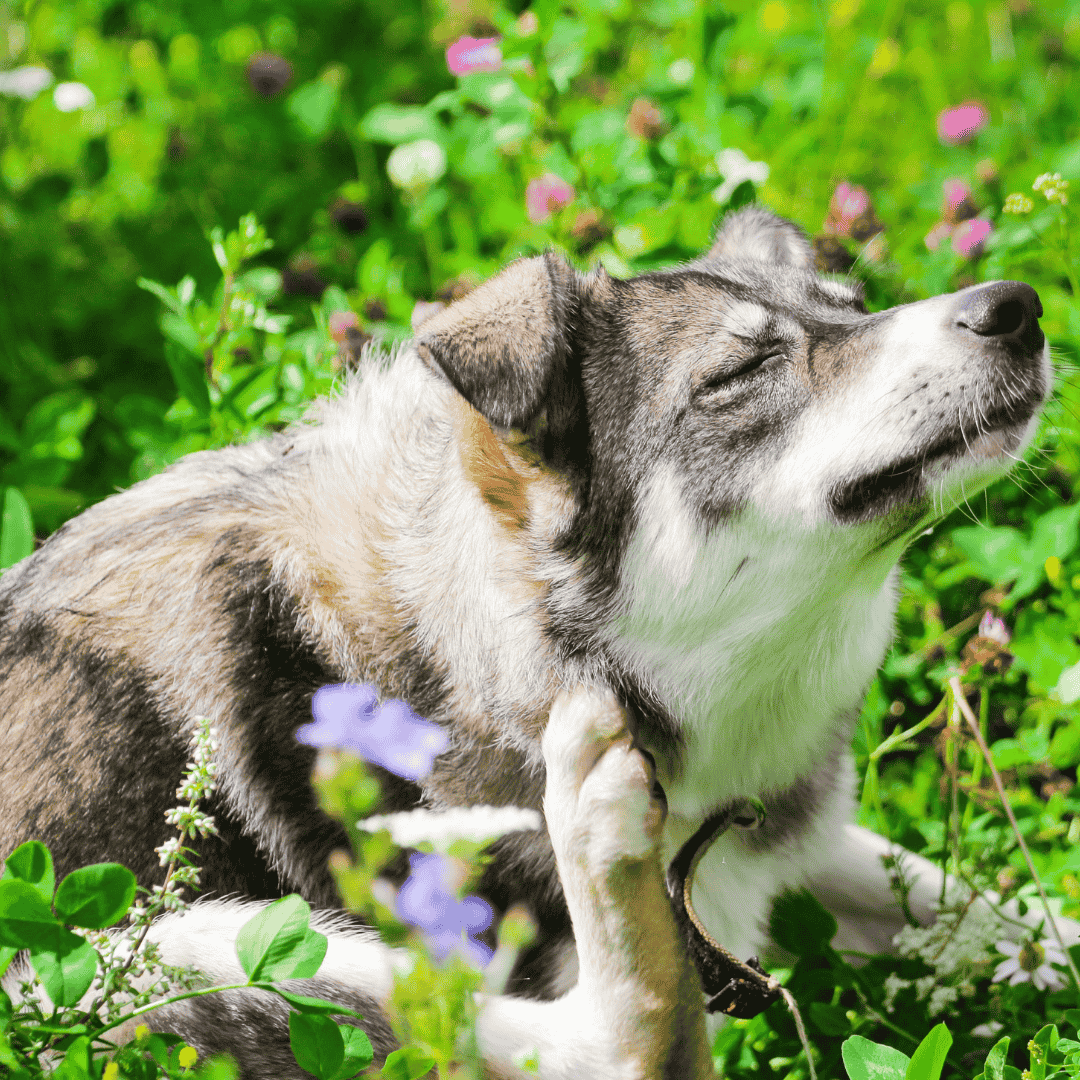
After every walk or play session, do a quick “tick check” on your dog. Run your hands over their body, paying close attention to the ears, under the collar, between the toes, and under the legs. Look for small bumps, dark specks, or anything that looks like a tiny seed stuck to the skin. For fleas, watch for excessive scratching, biting at the skin, or tiny black “flea dirt” in the fur that turns reddish when damp.
Parasite Prevention That Works
Parasite Prevention That Works
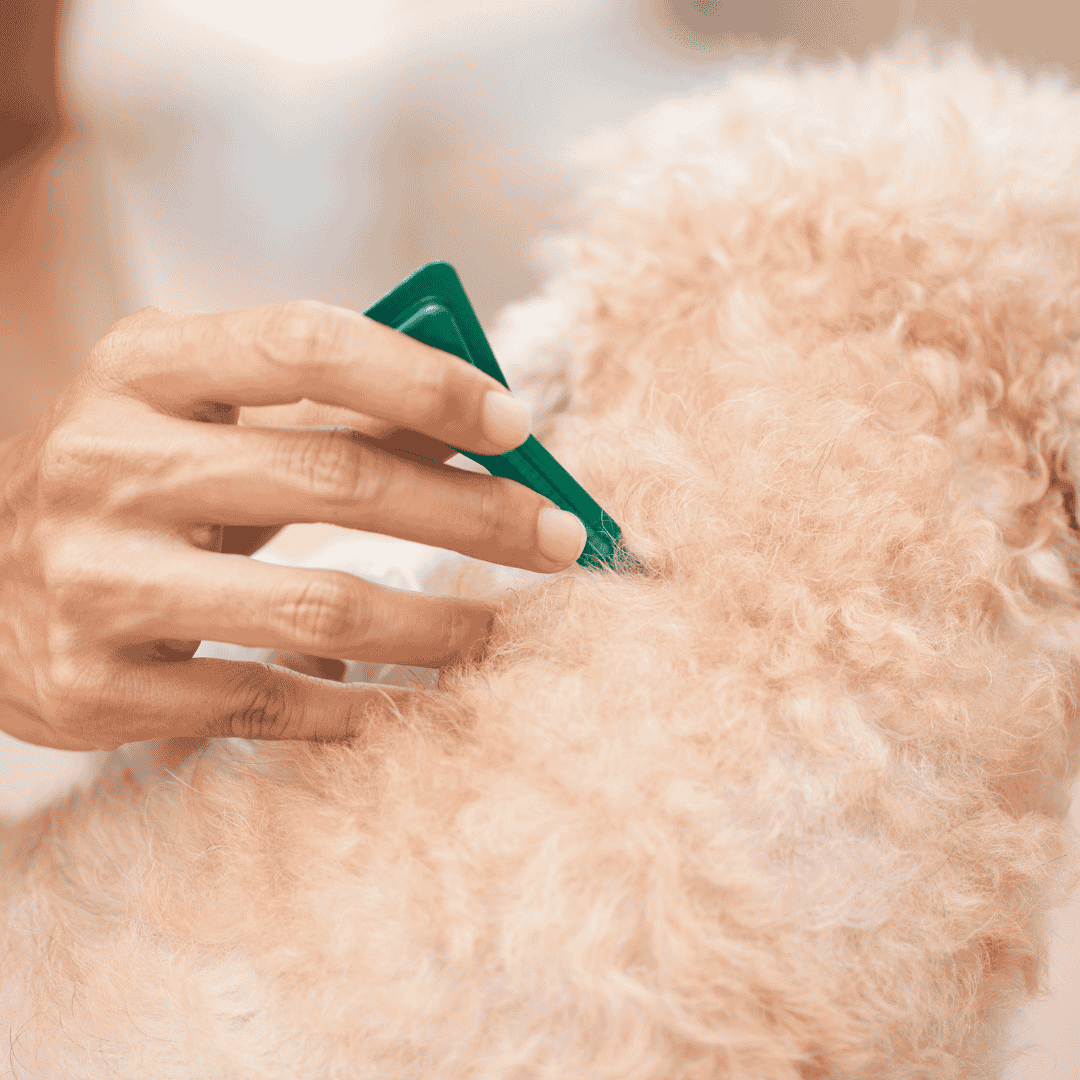
Ask your veterinarian about a reliable, year‑round flea and tick preventative that fits your dog’s size, age, and lifestyle. Many Long Island vets recommend monthly topical treatments, oral medications, or protective collars that kill ticks and fleas before they cause problems. In addition, keep your yard mowed, clear leaf litter, and avoid letting your dog wander through dense brush or fields with tall grass. For more information about the different types of flea & tick preventatives, click here.
Other Spring Hazards To Watch For
Beyond parasites, May brings other risks:
-
Allergies: Pollen, mold, and grass can trigger itchy skin, sneezing, or ear infections.
-
Heat and humidity: Even in May, warm days can wear pets out. Always carry water and avoid midday walks when it’s hottest.
-
Toxic plants and lawn chemicals: Some ornamental plants and fertilizers are harmful if chewed or ingested. Ask your vet or a local landscaper which ones to avoid in your yard.
Signs Your Dog Needs a Vet Visit
Contact your vet if you notice any of the following:
-
A swollen or red tick bite, lameness, or reluctance to move (possible Lyme concerns).
-
Severe itching, hair loss, or open sores from scratching.
-
Lethargy, loss of appetite, vomiting, or diarrhea after being outside.

How Long Island Pet Services Keeps Your Dog Safe
How Long Island Pet Services Keeps Your Dog Safe
Here at Long Island Pet Services, we treat your pets as if they were our own; family. When you’re busy with spring schedules and travel, our pet sitters and walkers follow your safety routines closely. We keep check for fleas & ticks after every walk, avoid high‑risk areas when possible, and watch for any unusual behavior or skin changes so you can act quickly. Your pet’s health & safety isn’t just important to us, it’s a priority. By staying alert and prevention‑focused, you help your dog enjoy Long Island’s spring weather safely and comfortably.

Looking For A Pet Sitter Or Dog Walker?
Looking For A Pet Sitter Or Dog Walker?
The best way to keep your pets happy, healthy, and sociable is to hire a pet sitter! But, don’t hire just anyone. Hire the professionals! Long Island Pet Services is the best place to turn to for professional, quality pet sitting services.
We offer a wide variety of services including dog walking, drop-in visits, overnight stays, pet taxi, and more! Click here to become a client today or give us a call at 516-247-6976. We look forward to hearing from you! Be sure to check out our social media pages too! Follow us on our Facebook, Instagram, and X!