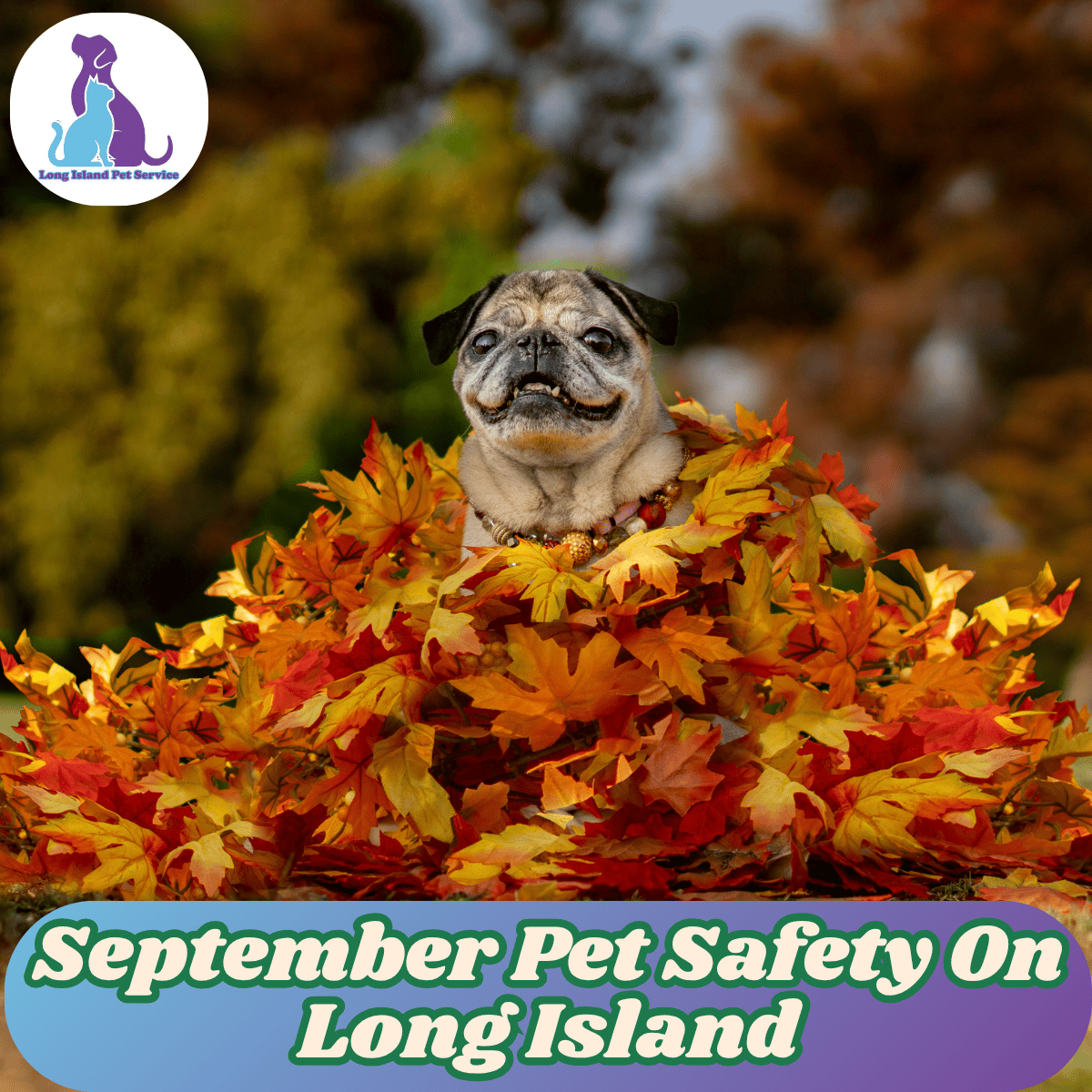
Keep your Long Island pet safe this September with tips on lingering heat, hydration, hot pavement, flea and tick prevention, seasonal allergies, and emergency planning
September on Long Island can feel like the best of both seasons. One day may bring summer-level sunshine and humidity, while the next starts with a cool, crisp morning that makes fall feel close. For pet parents, that changing weather can make routines a little less predictable.
Even as school schedules return, workdays become busier, and evenings get darker earlier, dogs and cats still need consistent care, safe outdoor time, and close attention to seasonal health concerns. At Long Island Pet Services, we know that a smooth September routine helps pets stay comfortable, active, and happy as the season changes. So, here are a few important pet-safety reminders for September, including lingering heat, hydration, hot pavement, fleas and ticks, seasonal allergies, and emergency planning.
Don’t Let the Calendar Fool You: September Heat Can Still Be Serious
Don’t Let the Calendar Fool You: September Heat Can Still Be Serious
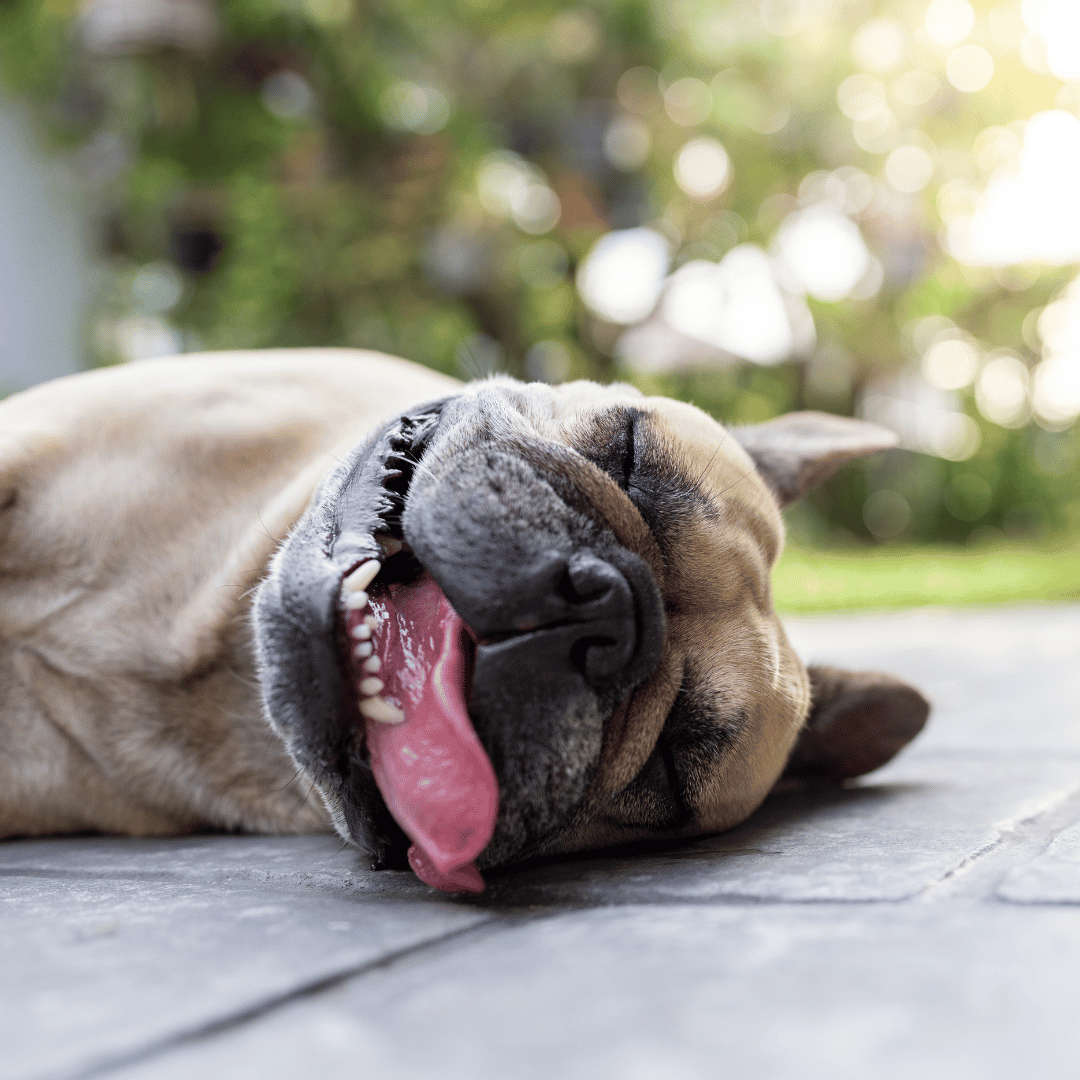
It may be September, but warm Long Island afternoons can still be uncomfortable (and potentially dangerous) for pets. Dogs do not cool themselves as efficiently as people do, and humid weather can make it even harder for them to regulate their body temperature. So, plan dog walks for the cooler parts of the day whenever possible. Early morning and later evening walks are often more comfortable than midday outings, especially for senior dogs, flat-faced breeds, puppies, and dogs with thick coats.
Watch for signs that your dog may be overheating:
-
Heavy or nonstop panting
-
Excessive drooling
-
Slowing down, stopping, or refusing to walk
-
Bright-red gums or tongue
-
Vomiting, weakness, wobbling, or collapse
-
Confusion or unusual restlessness
If your dog seems overheated, move them into a cool, shaded, or air-conditioned space right away and contact a veterinarian for guidance. Heat-related illness can worsen quickly, so it is always better to be cautious. A professional dog walker can also help maintain a safe routine during warm spells by adjusting the pace, route, length, and timing of a visit based on the day’s weather and your dog’s individual needs.
Keep Fresh Water Available All Day
Keep Fresh Water Available All Day
Hydration is just as important in September as it is in July and August. A pet may drink less when the morning starts out cool, but still need extra water after an active walk or a warm afternoon. For dogs, make sure there is a clean bowl of fresh water available at home before you leave for work. If your dog spends time outside, bring water along on walks and offer frequent breaks rather than waiting until they seem thirsty.
A few easy hydration habits can make a real difference:
-
Refresh indoor water bowls at least once a day.
-
Bring a portable water bottle and collapsible bowl on longer walks.
-
Place water in more than one location for multi-pet households.
-
Wash bowls regularly to prevent buildup and keep water appealing.
-
Ask your pet sitter or dog walker to note unusual changes in drinking habits.
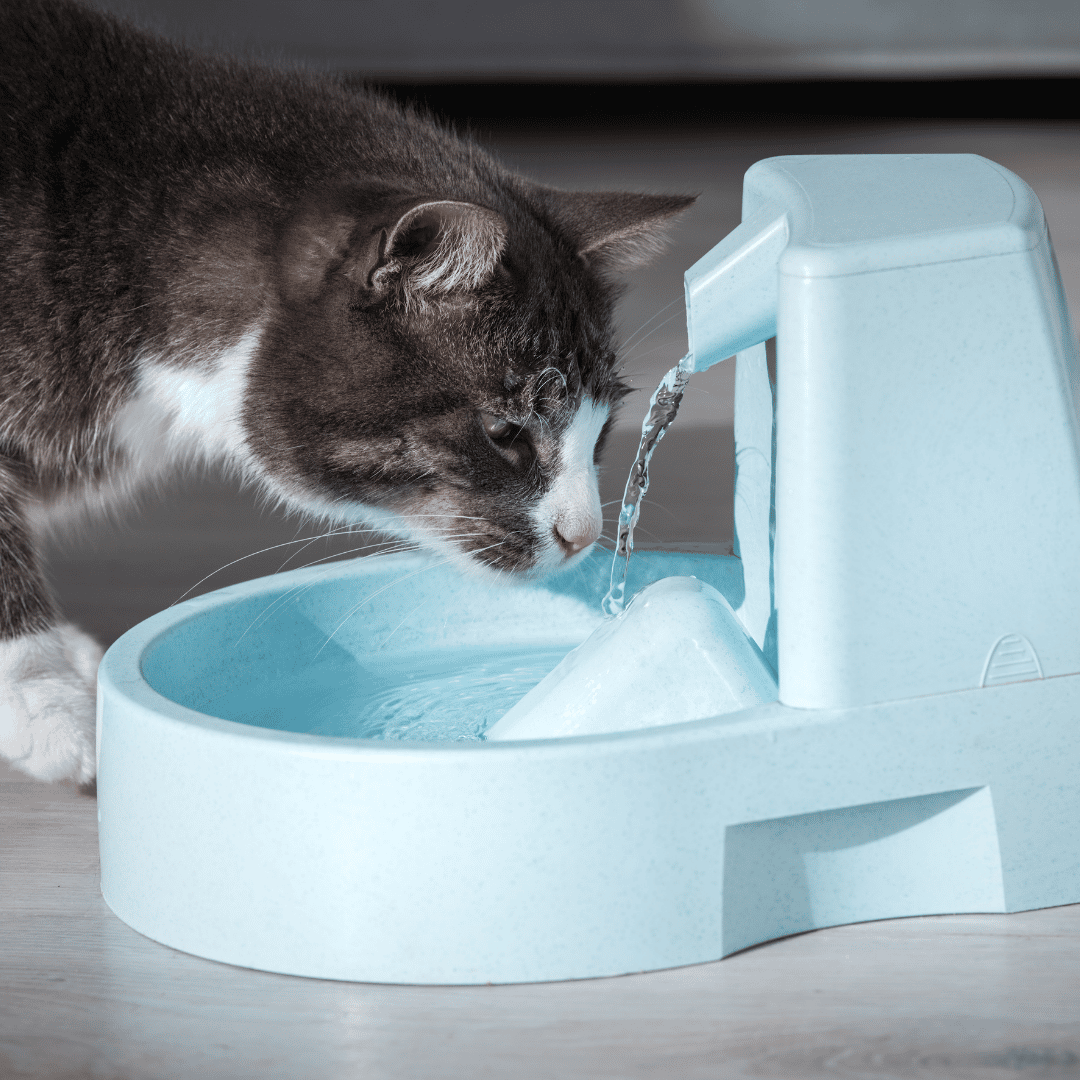
Cats can be especially subtle about hydration. Some cats prefer wide, shallow dishes, circulating water fountains, or multiple water stations throughout the house. Wet food can also contribute moisture to a cat’s diet, though any dietary changes should be discussed with your veterinarian. If a pet suddenly drinks much more or much less than usual, mention it to your veterinarian. Changes in thirst can sometimes be an early sign that something is not quite right.
Fleas and Ticks Do Not Disappear in Fall
One of the biggest September pet-safety mistakes is assuming parasites are gone because summer is ending. Fleas and ticks can remain active well into autumn, and Suffolk County notes that ticks may be active any time temperatures are above 40°F. The CDC also notes that tick exposure can occur year-round, with the greatest activity generally occurring during warmer months.
Long Island pet owners should continue veterinarian-recommended flea and tick prevention as directed, not just during the height of summer. Ticks are commonly found in grassy, brush, and wooded areas, but they can also be picked up in yards, along trail edges, and during everyday outdoor activities.
After walks, backyard play, hikes, or time near tall grass, take a minute to check your dog carefully. Pay special attention to:
-
In and around the ears
-
Around the collar and neck
-
Under the legs
-
Between the toes
-
Around the tail and hindquarters
-
The belly and groin area
Ticks can hitch a ride indoors on pets, clothing, and gear, so regular checks help protect both your pet and your household. If you find an attached tick or have questions about parasite prevention, contact your veterinarian for advice that fits your pet’s age, health history, and lifestyle.

Check the Pavement Before Every Walk (use back of hand)
Check the Pavement Before Every Walk
Cooler mornings do not always mean cool sidewalks. Asphalt, concrete, patios, and parking lots can absorb heat from the sun and remain hot well into the afternoon. A dog’s paw pads are exposed directly to those surfaces, and burns can happen faster than many pet parents expect. So, before heading out, place the back of your hand on the pavement for several seconds. If it feels too hot or uncomfortable for your skin, it is too hot for your dog’s paws.
On warmer September days, choose grass, shaded streets, wooded paths, or cooler walking times whenever you can. Consider shorter, slower walks if the temperature or humidity rises. Pay attention if your dog begins lifting a paw, limping, licking their feet, or trying to move onto grass; those can all be signs that the ground is uncomfortable. This is particularly important for midday dog walks on Long Island, when the air temperature may feel manageable but the pavement is still holding heat.
Watch for Seasonal Allergy Symptoms
September can bring a mix of late-summer weeds, grasses, mold, dust, and other environmental irritants. Just like people, pets can react to seasonal allergens and the symptoms are not always obvious at first.
Common signs of pet allergies may include:
-
Repeated paw licking or chewing
-
Scratching, rubbing, or itchy skin
-
Red or irritated skin
-
Ear scratching, head shaking, or recurrent ear trouble
-
Sneezing or watery eyes
-
Frequent face rubbing
-
Hair loss or hot spots caused by persistent scratching
Some dogs develop itchy paws after walking through grass, while others may have more noticeable ear or skin issues as the weather changes. Wiping paws and legs with a clean, damp cloth after outdoor time can help remove outdoor debris and allergens. Regular grooming and clean bedding can also reduce irritants inside the home.
Do not assume ongoing itching is “normal.” If symptoms are persistent, worsening, or causing broken skin, schedule a veterinary appointment. Your veterinarian can help determine whether allergies, parasites, an infection, or another health issue may be involved.
Keep Your Pet’s Emergency Information Current
Keep Your Pet’s Emergency Information Current
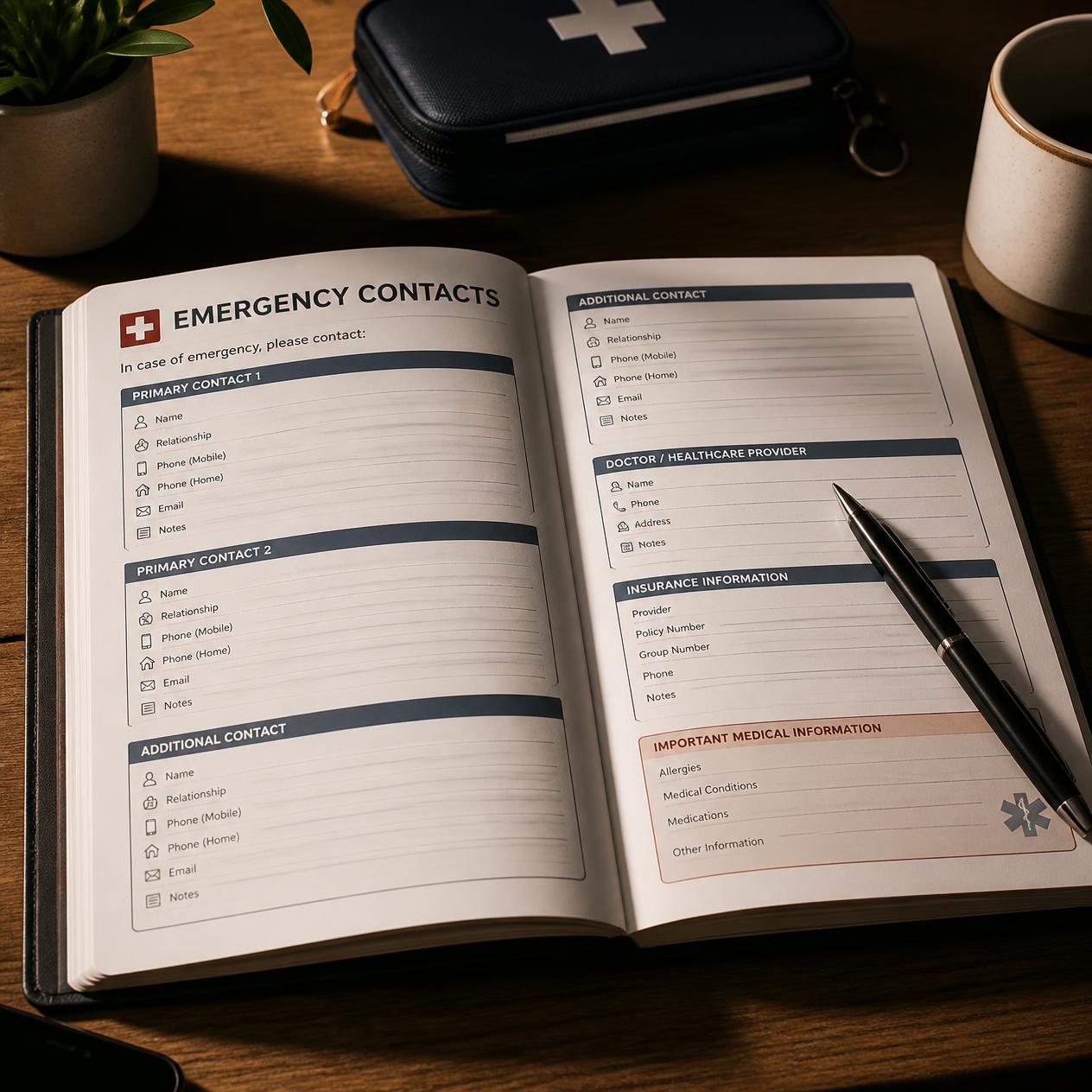
September is an ideal time to update the information that could matter most in an emergency. School is back in session, work schedules may be changing, and fall travel plans often begin to fill the calendar. If a pet sitter, dog walker, neighbor, or family member needs to act quickly, clear instructions can save valuable time.
Keep an updated emergency contact list in an easy-to-find place and share it with anyone caring for your pet. Include:
-
Your primary veterinarian’s name, phone number, and address
-
The nearest emergency veterinary hospital
-
Your pet’s medical conditions, medications, and dosage instructions
-
Allergies, food restrictions, and behavioral concerns
-
An authorized emergency contact who can make decisions if you cannot be reached
-
Your pet’s microchip number and current ID-tag information
-
Insurance details, if applicable
-
Your preferred emergency-care instructions and spending authorization
The ASPCA recommends including a pet’s name, your contact information, and urgent medical needs in emergency-preparedness materials, and keeping key supplies such as leashes close to an exit. For poison-related emergencies, the ASPCA Animal Poison Control Center is available 24/7 at (888) 426-4435.
For pet-sitting clients, this information should be reviewed before each trip, not only when you first become a client. Pets age, medications change, veterinarians move, and emergency contacts may no longer be available. A quick update before travel gives everyone more confidence.
Ease Into New September Routines
Ease Into New September Routines
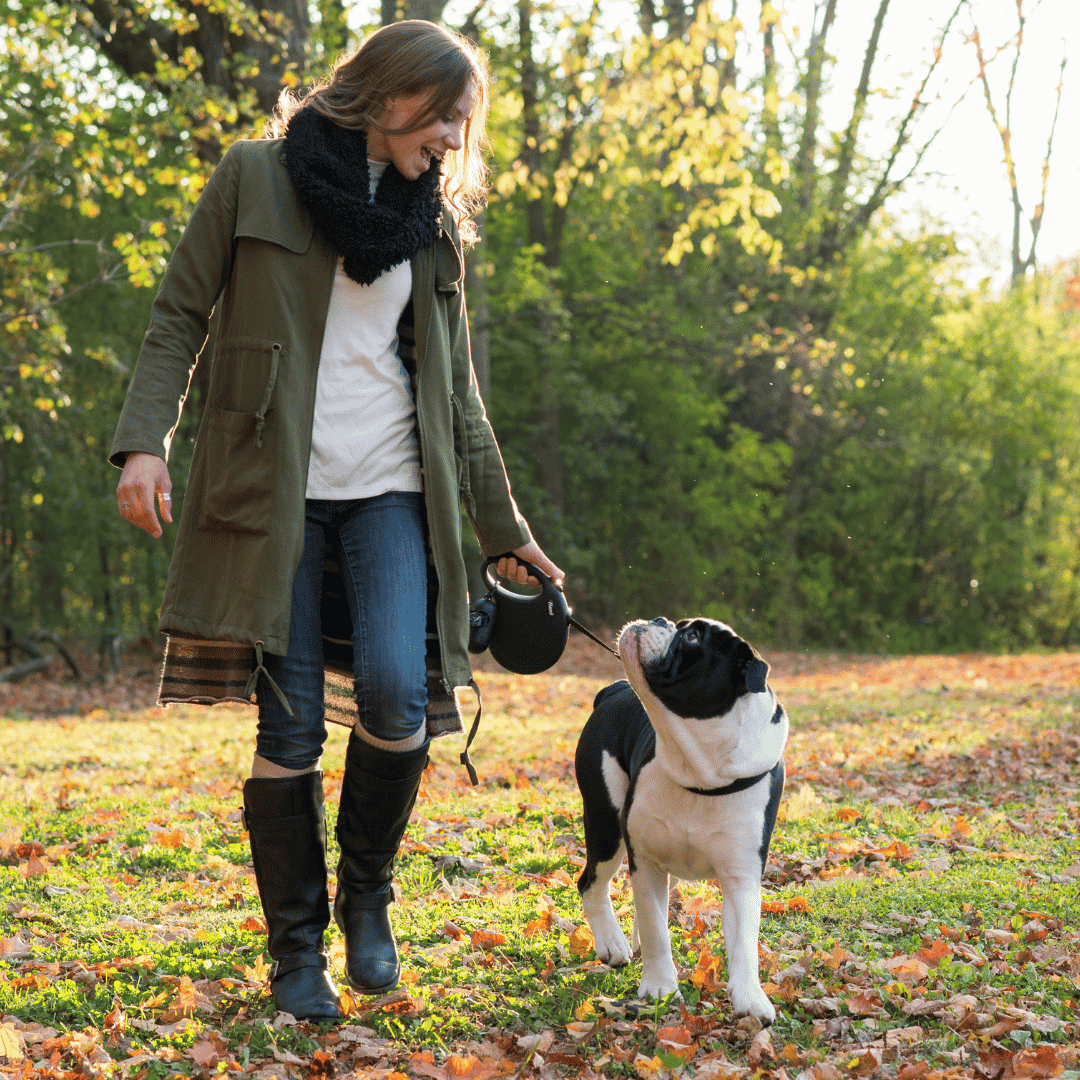
Back-to-school season often means more time alone for pets. Dogs that enjoyed a full house during the summer may suddenly face longer stretches without companionship, potty breaks, or exercise. Cats may also notice the household becoming quieter and more predictable.
Help your pet adjust gradually by keeping feeding times, walks, play sessions, and bedtime routines as consistent as possible. For dogs, a midday dog-walking visit can break up a long day, provide a bathroom break, and offer mental stimulation when the home is empty. For cats, dependable pet-sitting visits during travel help maintain the familiar comfort of home, regular meals, fresh water, clean litter, and caring human attention. Consistency is especially helpful for senior pets, young pets, anxious pets, and animals managing medical needs.

A Safer, Happier Start to Fall
A Safer, Happier Start to Fall
September is a transition month, not an automatic break from summer pet safety. Continue watching the weather, carry water on walks, protect paws from hot pavement, keep flea and tick prevention current, monitor allergy symptoms, and make sure emergency information is ready before you need it.
At Long Island Pet Services, we tailor dog walks and pet-sitting visits to the weather, your pet’s routine, and their individual needs. Whether your dog needs a dependable midday walk while your family gets back into the school-year schedule or your cat needs attentive in-home care during a fall getaway, we are here to help your pets stay safe, comfortable, and cared for.
Contact Long Island Pet Services Today!
At Long Island Pet Services, we provide dependable, high-quality pet care tailored to your pet’s needs. From daily dog walks and drop-in visits, to overnight stays and pet taxi services, we offer a full range of options to keep your routine running smoothly. Ready to get started? Click here to become a client today or give us a call at 516-247-6976. Stay connected and see what we’re up to by following us on Facebook, Instagram, and X.