Keep pets calm and safe during Halloween noise and visitors with quiet-room, enrichment, door-safety, ID-tag, and microchip tips
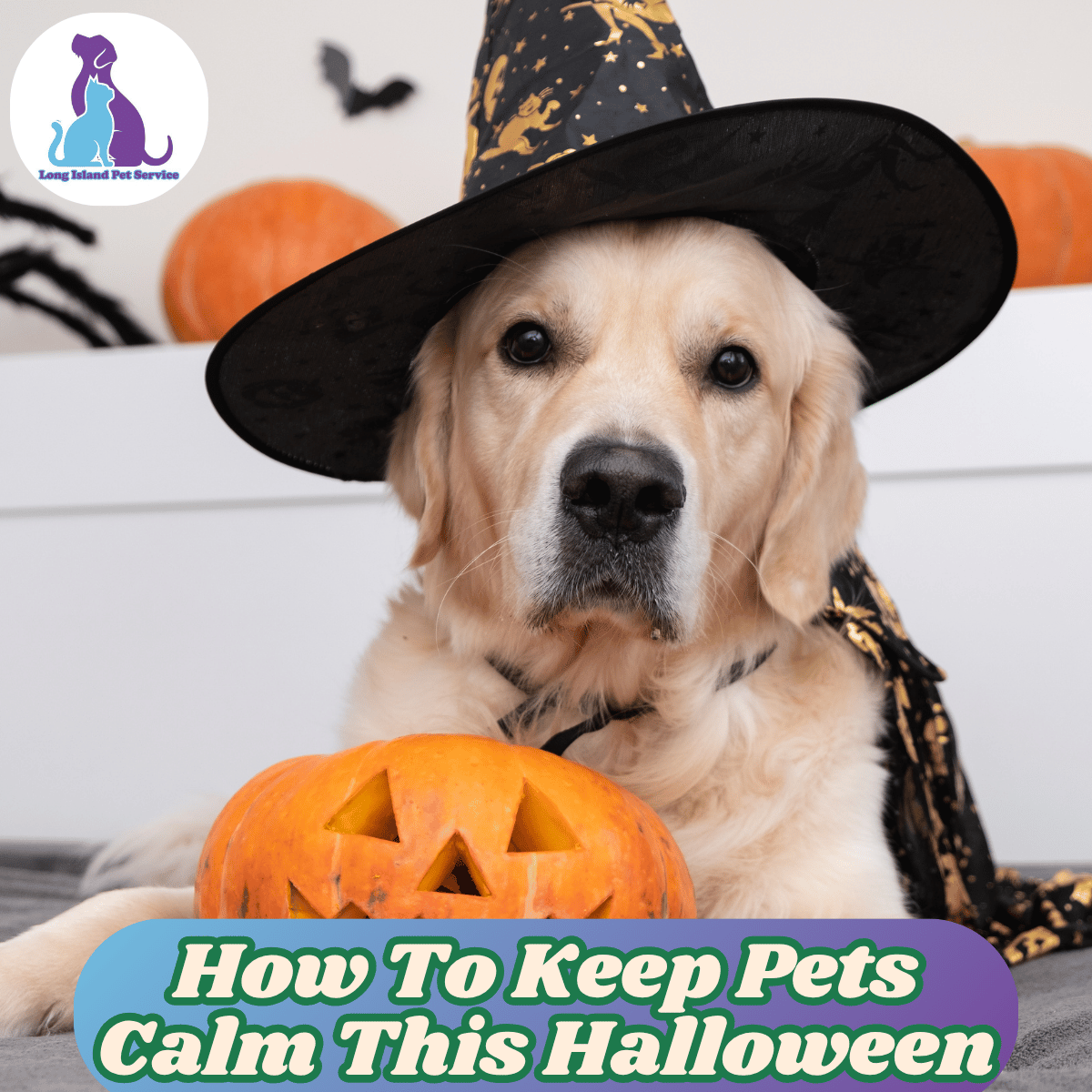
Halloween can be exciting for people, but it can feel confusing and overwhelming for many dogs and cats. Constant doorbells, unfamiliar voices, costumes, flashing decorations, and children moving through the neighborhood can turn an ordinary evening into a stressful one for pets.
At Long Island Pet Services, we encourage pet parents to plan ahead for a calm, safe Halloween night. A little preparation can help reduce anxiety, prevent escape attempts, and make the evening easier for everyone in your home. For most pets, the goal should not be participation in the Halloween activity, it should be feeling secure while the activity happens around them.
We recommend giving pets a comfortable, separate indoor space during peak trick-or-treat hours, particularly if they are nervous around visitors or prone to slipping outside through an open door.
Why Halloween Can Stress Pets
Why Halloween Can Stress Pets
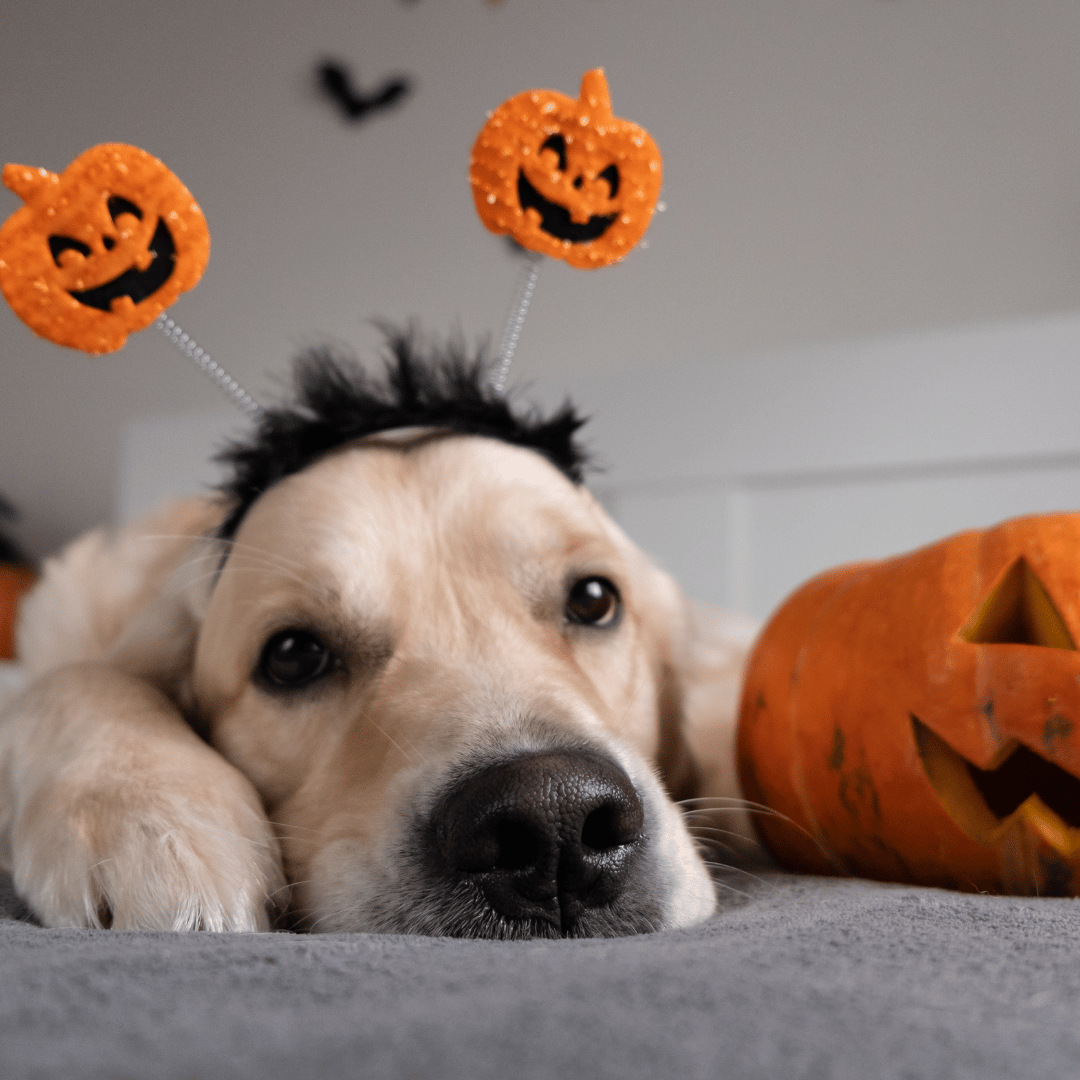
Dogs and cats thrive on familiar routines. Halloween changes the usual rhythm of the evening: the front door opens repeatedly, the doorbell rings over and over, strangers arrive in unusual clothing, and outside sounds can continue for hours. Even a normally social pet may feel uneasy when a person suddenly appears in a mask, large hat, flowing cape, or bulky costume. Some pets react by barking, pacing, hiding, trembling, or trying to escape. Others may become unusually quiet or clingy.
Common signs that your pet is feeling stressed include:
-
Pacing, panting, drooling, trembling, or whining.
-
Barking or growling more than usual.
-
Hiding under furniture, in a closet, or behind a person.
-
Trying to bolt through an open door.
-
Flattened ears, a tucked tail, or a low crouched body position.
-
Refusing treats, food, or favorite toys.
-
Scratching at doors, chewing, or other restless behavior.
-
Becoming unusually withdrawn or irritable.
If your pet shows these signs, do not force them to greet visitors or stay in the center of the action. Moving them away from the noise early is often much easier than trying to calm them after they become overwhelmed.
Set Up a Quiet Room
One of the simplest ways to keep pets calm during Halloween is to create a quiet, secure room away from the front door. A bedroom, office, finished basement, or other familiar space can work well, as long as it is comfortable and safely closed off from visitors.
Set up the room before trick-or-treaters begin arriving. Include familiar items that smell and feel like home:
-
Your pet’s usual bed, blanket, or crate.
-
Fresh water and, if appropriate, a small meal or familiar treat.
-
Favorite toys or a chew item for dogs.
-
A litter box for cats.
-
Calming background sound, such as soft music, a fan, or white noise.
-
Curtains or blinds closed to reduce flashing lights and movement outside.
For a dog, a food puzzle, stuffed Kong-style toy, lick mat, or safe long-lasting chew can provide a positive distraction. For cats, offer a familiar hiding place, a cardboard box, a blanket-covered cat bed, or an interactive toy before the busy period begins. The ASPCA specifically recommends separating all but the most social pets from the front-door activity and providing favorite toys, including food puzzles for dogs and interactive toys for cats.
Avoid checking on your pet constantly if your visits make them more excited or anxious. Instead, let the room be a calm retreat. Check in quietly from time to time, keep the environment predictable, and allow your pet to rest.
Limit Access to the Front Door
Limit Access to the Front Door
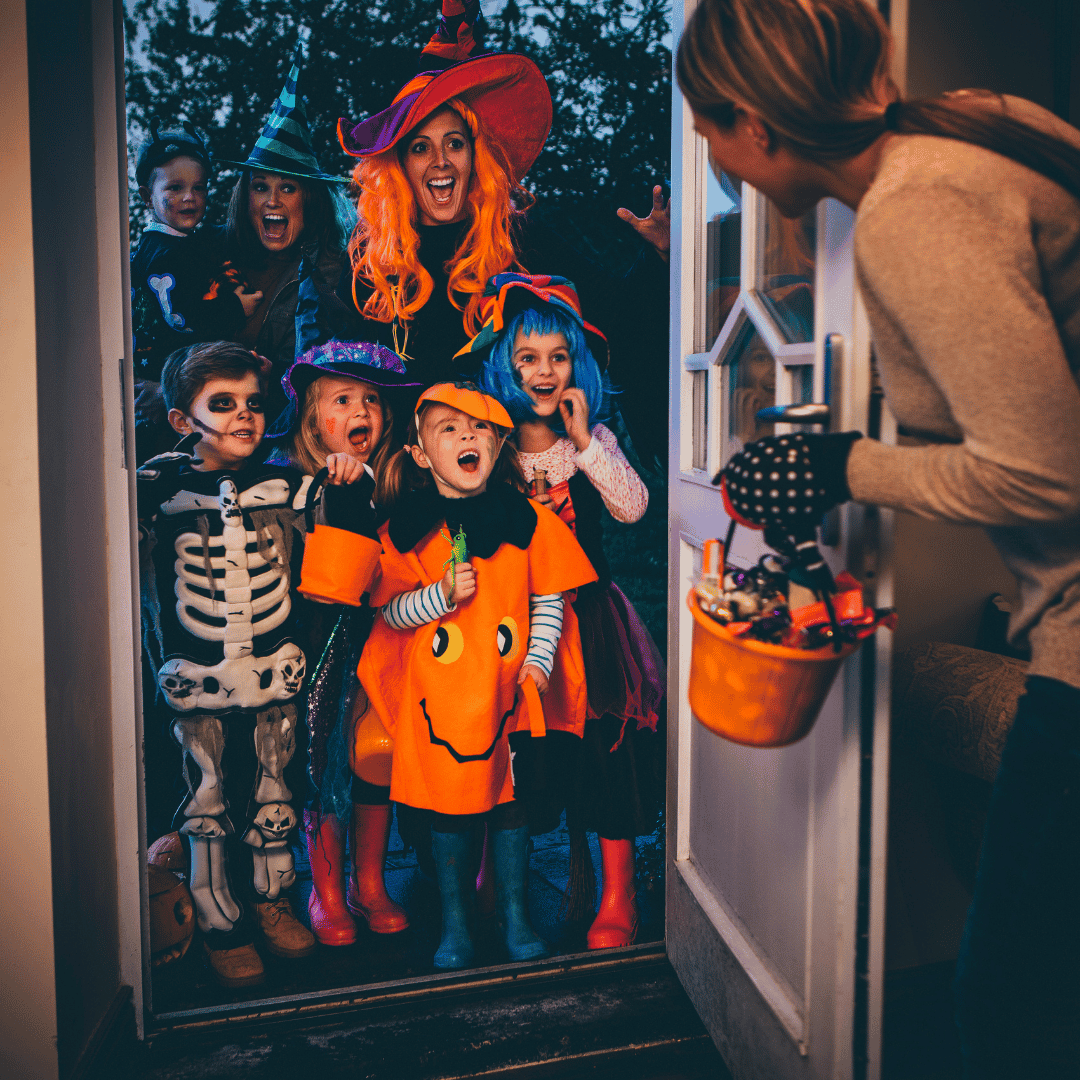
Halloween brings frequent door openings, which creates a real escape risk, especially for anxious pets. A frightened dog or cat may dash outside in seconds, even if they usually stay close to home. The safest option is to keep pets away from the entryway before the first trick-or-treater arrives. Close the door to their quiet room, use a secure baby gate as an added barrier when appropriate, and make sure everyone in the household knows where the pet is staying.
You can also make Halloween easier by changing how you hand out candy:
-
Sit outside on the porch, driveway, or front walk rather than opening the front door repeatedly.
-
Place a bowl of candy outside if you are comfortable doing so.
-
Ask one adult to manage visitors while another stays with the pet, if needed.
-
Keep dogs leashed if they must move through an area where the front door could open.
-
Remind children and guests not to open the pet’s room or allow the pet to greet visitors without permission.
A closed, secure room is not punishment. It is a safety plan. It protects your pet from the stress of unexpected visitors and reduces the chance of a Halloween escape. The AVMA advises keeping nervous pets in a separate room or crate with familiar toys and ensuring guests do not follow them into their retreat space.
Update ID Tags and Microchip Details
Even with a careful plan, accidents can happen. A pet may slip out while someone carries in groceries, opens the door for a delivery, or forgets the plan during a busy moment.
Before Halloween, check that your dog or cat has:
-
A properly fitted collar with a readable, current ID tag.
-
A current phone number listed on the tag.
-
A registered microchip with up-to-date contact information.
-
Current photos available on your phone in case you need to share them quickly.
-
A secure harness and leash for any outdoor potty break or evening walk.
A collar tag can help a neighbor contact you immediately, while a microchip provides permanent identification if a collar comes off. However, a microchip is only useful when the registration information is accurate. Take a few minutes to log into the microchip registry and confirm your phone number, email address, home address, and emergency contact details.
The AVMA notes that current collar tags and a registered microchip can help reunite families if a pet gets lost, particularly during busy events and visitor-filled holidays.
Keep Their Routine Familiar
Keep Their Routine Familiar
Halloween may be a special night, but your pet does not need a completely different schedule. Familiar routines can be comforting when everything else feels unusual.
Try to:
-
Walk your dog before sunset or before neighborhood activity becomes busy.
-
Give your pet a chance to go potty before trick-or-treaters begin arriving.
-
Feed meals at the usual time.
-
Schedule normal playtime or cuddle time earlier in the day.
-
Keep nighttime medication, feeding, and litter-box routines consistent.
-
Avoid introducing new toys, treats, costumes, or guests all at once.
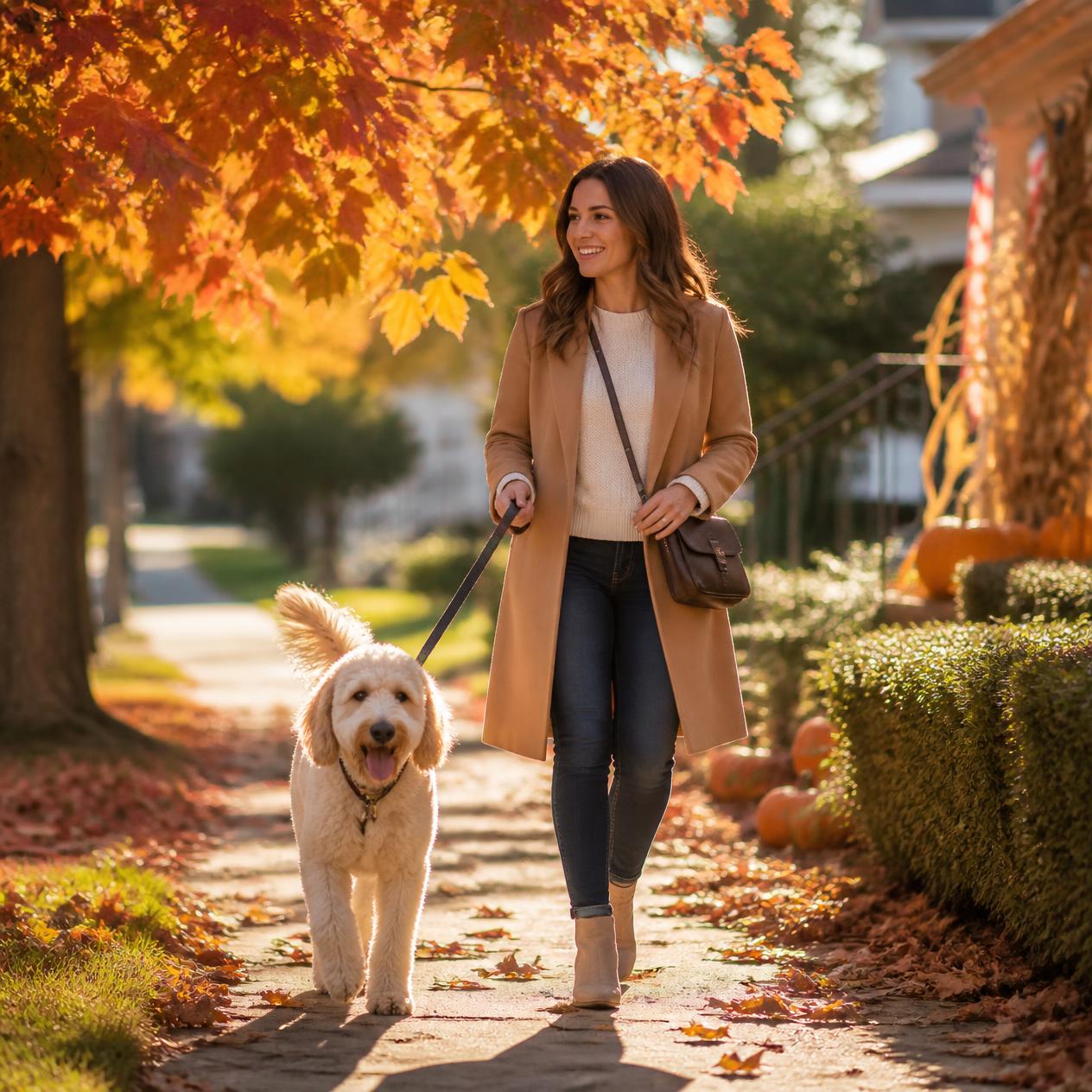
For dogs, a longer afternoon walk can be especially helpful. A dog that has had time to sniff, move, and use up some energy may settle more easily later in the evening. Keep all outdoor walks secure, use a leash, and consider reflective gear if you will be out after dark.
For cats, make sure litter boxes are clean and easily accessible before settling them into their quiet room. Cats often cope with stress by hiding, so give them safe places to do that rather than trying to pull them out for Halloween photos or visitor introductions.
Offer Familiar Enrichment
Offer Familiar Enrichment
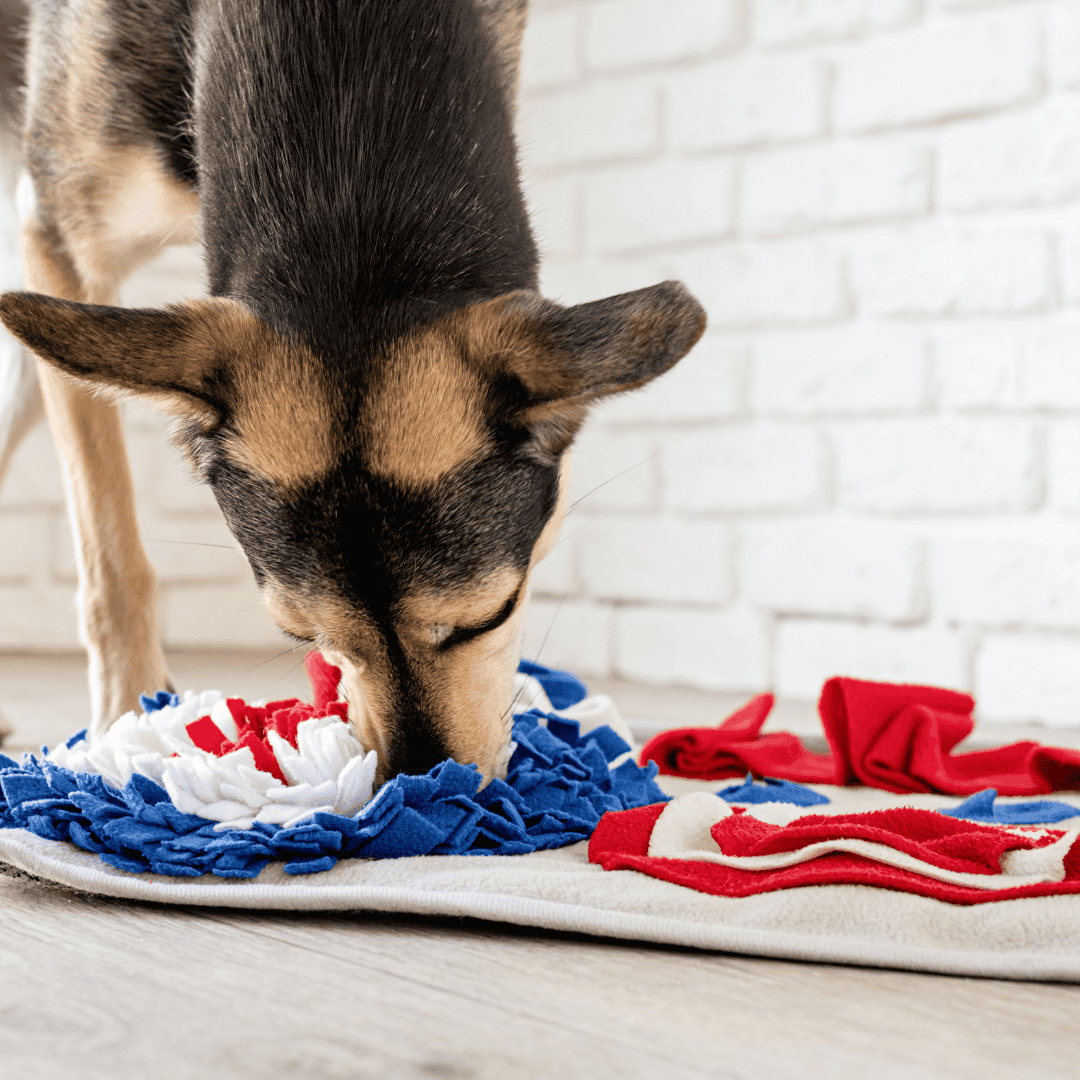
Enrichment gives pets something positive and familiar to focus on. It will not erase every scary sound, but it can help shift attention away from the doorbell and outside commotion.
For dogs, try:
-
A food puzzle filled with part of their regular dinner.
-
A frozen stuffed toy prepared earlier in the day.
-
A lick mat with a pet-safe spread.
-
A favorite chew that you know they handle safely.
-
A short training session with easy cues and rewards before visitors arrive.
For cats, consider:
-
A favorite wand toy session before quiet time.
-
A treat puzzle or a few treats hidden around the room.
-
A cozy bed near a secure hiding area.
-
A familiar box, tunnel, or blanket.
-
A window perch with the curtains partially closed if outdoor activity makes them nervous.
Use only foods and treats your pet has had before, particularly on a night when they may already feel unsettled. Halloween is not the best time to test a new chew, supplement, or enrichment item for the first time.
Do Not Force Social Time
Some pets genuinely enjoy meeting people. If your dog is relaxed, friendly, well-trained, and not bothered by costumes or the doorbell, a brief, controlled greeting may be fine. Still, Halloween visitors are different from ordinary guests, and even social pets should be monitored closely. Additionally, never require a fearful pet to “get used to it” by staying near the front door. Do not pull a hiding cat out for visitors. Do not let children chase, hug, corner, or crowd your dog. Allow your pet to choose distance from unfamiliar people.
If you have guests at home, let them know ahead of time that your pet has a designated quiet space. This reduces the risk that someone will open the door, bring children into the room, or accidentally let the pet out. Pets that are nervous around visitors are generally safest in a separate room with a familiar toy rather than in the middle of the gathering.
Plan for a Calmer Halloween
Plan for a Calmer Halloween
A successful Halloween with pets is not measured by whether they wear a costume or greet every trick-or-treater. It is measured by whether they feel safe in their own home. Set up a quiet room, keep them away from the front door, confirm their identification is current, and offer the routines and enrichment they already love. These small steps can make a major difference for dogs and cats that find Halloween visitors and noise stressful.
Looking For a Reliable Pet Sitter or Dog walker?
At Long Island Pet Services, we provide dependable dog walking and in-home pet sitting designed around your pet’s individual routine. Whether you need help with walks before the evening rush, care while you attend a Halloween event, or trusted pet sitting during the busy holiday season, we are here to help Long Island pets feel comfortable, safe, and cared for.
Click here to become a client today or give us a call at 516-247-6976. We look forward to hearing from you! Be sure to check out our social media pages too! Follow us on our Facebook, Instagram, and X!